How to Choose a Sofa: A Simple, 7-Step Guide

Cozy room with sofa, cushions and lamps

The age-old debate - is it a couch, sofa or settee? Whatever you call it (nap throne is our favourite),  there’s one thing we can all agree on: when it comes to furniture, the couch is king.

The problem is, we never realise we had the perfect one until it’s gone. Then suddenly, you’re staring into a sea of sofas trying to figure out which is about to take pride of place in your lounge.

Because besides choosing a style, you also need to think about fabrics, size, colour, stuffing and so much more. Narrowing down your search can feel pretty overwhelming, and that's why we wrote this guide.

We want to demystify all the options and help you confidently choose one that ticks all the boxes. So, grab a pen, paper and a measuring tape, and let’s get to it.

7 Steps for Choosing a Sofa

Buying a sofa is a big deal. We spend so much time on them; they have to be comfy, and they can set us back a fair bit too, with styles costing anywhere from £500 to several thousand. Plus, since you’re likely to live with your sofa for a decade or more, you want to be sure you like it.


So, our home décor team put together these seven steps to help you work out which settee is the best for you.

1. Decide what’s really important to you

When you first start searching for a couch, it’s easy to get carried away with sofa colours, fabrics and shapes when buying a couch. But take a step back and really think about what you need from your sofa.


  How will you use the sofa? Watching TV? Reading? Entertaining? Napping?

  How many people should it fit? Is it just your family, or do you often have guests?

  How do you like to sit? Upright and supported, or lounging back and relaxed? Do you like your legs stretched out or not?

  What level of wear would you expect? A single adult could get a sofa made from more delicate materials than a family of five with pets, for example.

  What about your health and body shape? Do you have back issues? Are you especially tall? Even if you’re mobile now, might you struggle to get up from a deep sofa 10 years down the line?

  What does the future hold? Planning to have kids? Thinking of adopting a dog? Hoping to move house soon? You’ll have this furniture for a decade or more, so make sure it can handle whatever’s around the corner.

  What about your current sofa? What do you love about it? What do you not like? What do you want to avoid with your next one?


Make a list of all your wants and needs, and you’ll be amazed at how quickly you can narrow down your search - it’ll cut out so many sofa options that just aren’t suited to you. 

2. Measure your Space

We’re getting to the fun colours and designs soon, but it’s essential to get dimensions first. There’s nothing worse than buying a lovely new couch then discovering you can’t get it in through the door.


Grab your measuring tape and note down the length, height and depth available in your lounge (or whichever room you want the sofa for). Next, measure all the spaces it would need to pass through to get there.


●      Doorways: Measure width and height from inside edges.

●      Staircases: Measure the narrowest point of any stairs (side to side).

●      Corridors and hallways: Width from wall to wall at the narrowest point.


Once you’ve found a sofa you like, double-check its dimensions against these numbers before you add to basket.


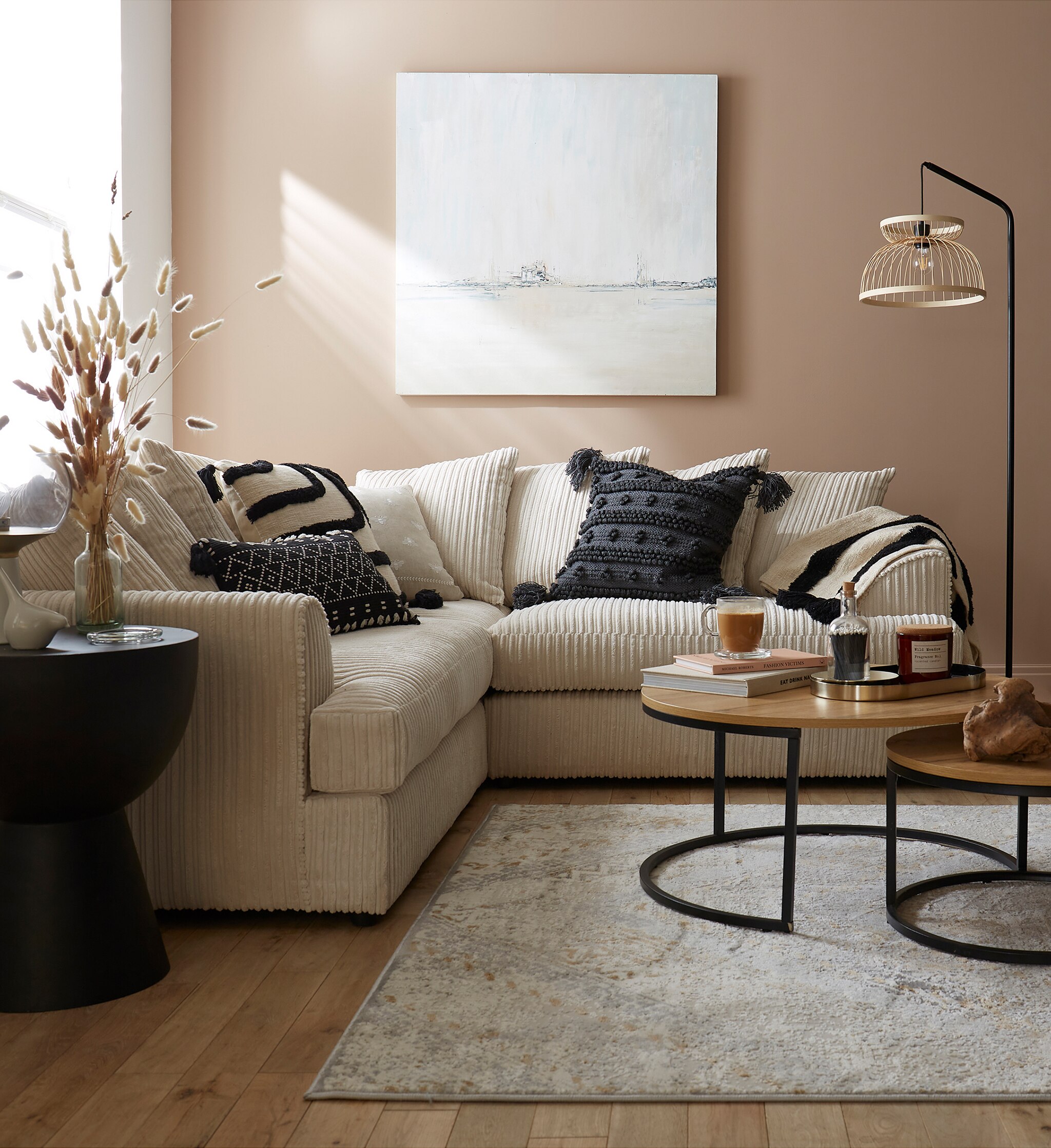
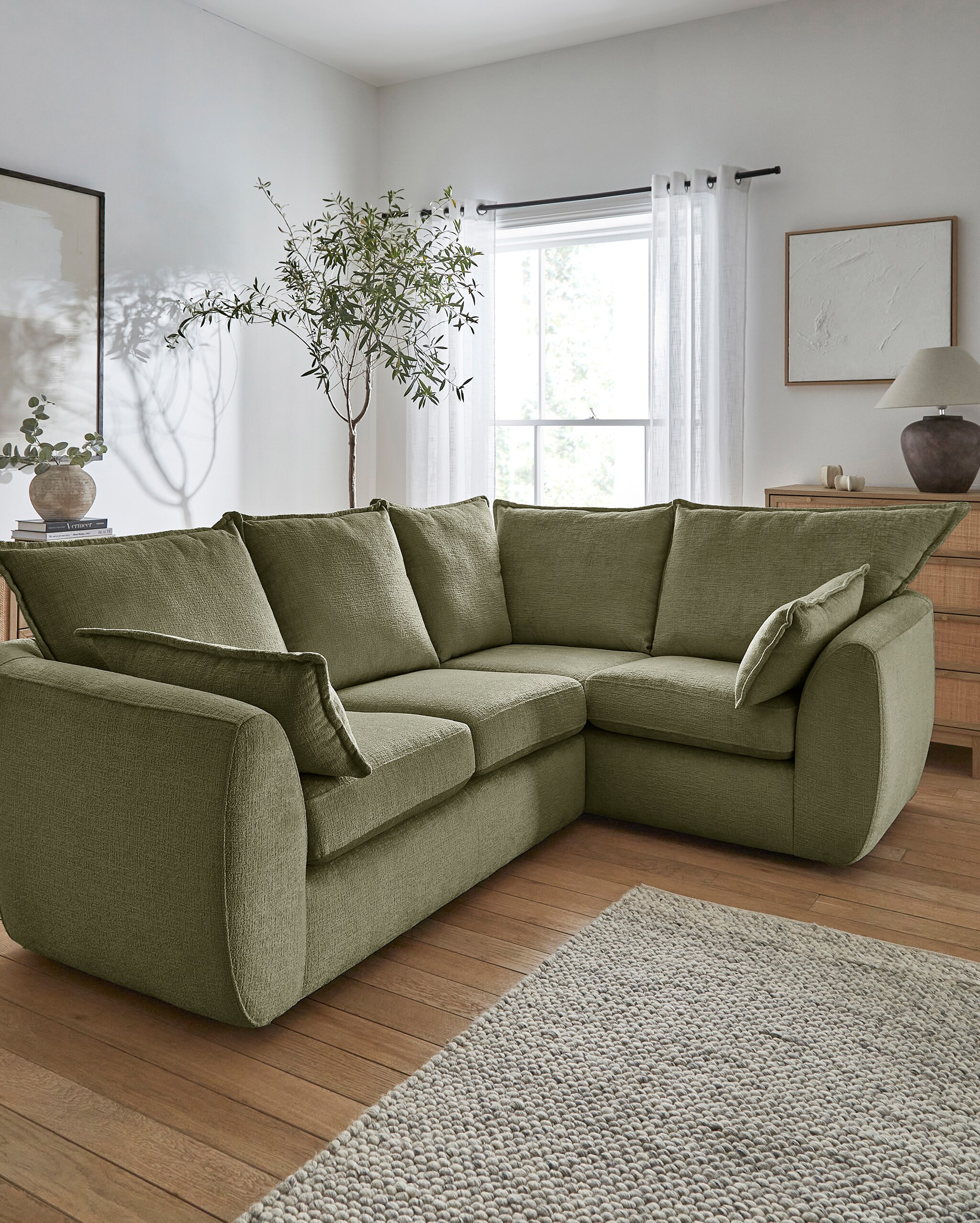
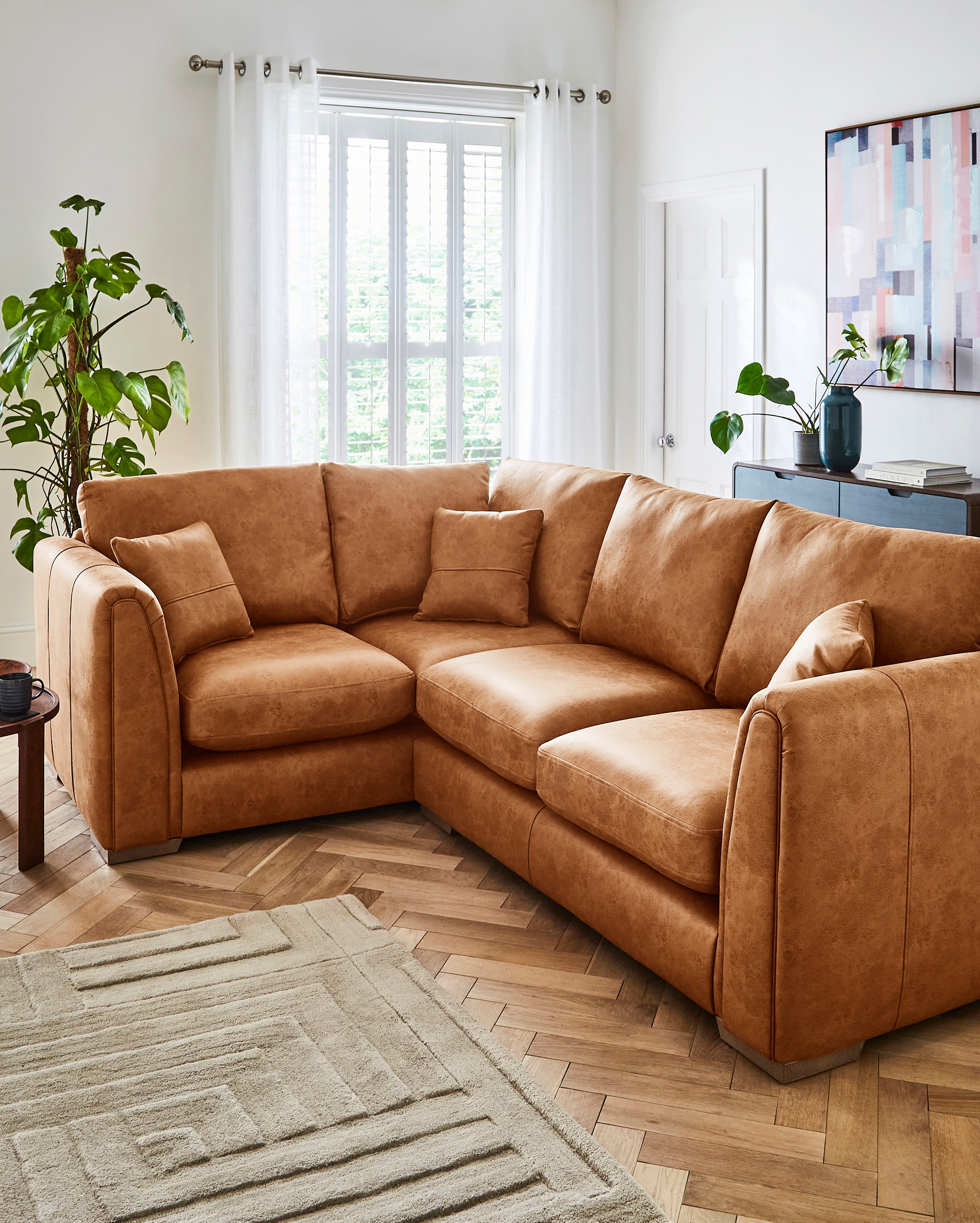
Corner sofa in beige

How big? Sofa dimensions planning

Deciding how much space to give over to the sofa is largely a personal choice. But there’s an interior design ‘rule’ that says a sofa should take up about two thirds of the wall it’ll sit in front of - this will avoid it dominating the space or looking too small.

You can always put masking tape on the floor to ‘sketch’ out the space you want the couch to fit. This will give you a sense of whether a sofa might be too big or small, and if it’ll affect how easily you can walk around the room.

3. Set your Budget

Sofas can cost anywhere from a few hundred pounds up to several thousand.


High-quality ones tend to cost more, but price doesn’t tell you everything. For example, when you buy a sofa online, the retailer doesn’t have the expense of running showrooms, so you can usually get a good deal.


A sofa is an investment - you’ll be using it every day for years - so it’s worth spending as much as you can afford. If you opt for a cheaper one that becomes uncomfortable or quickly loses its shape, you could end up having to buy another one before too long.

4. Know the Different Types of Sofas

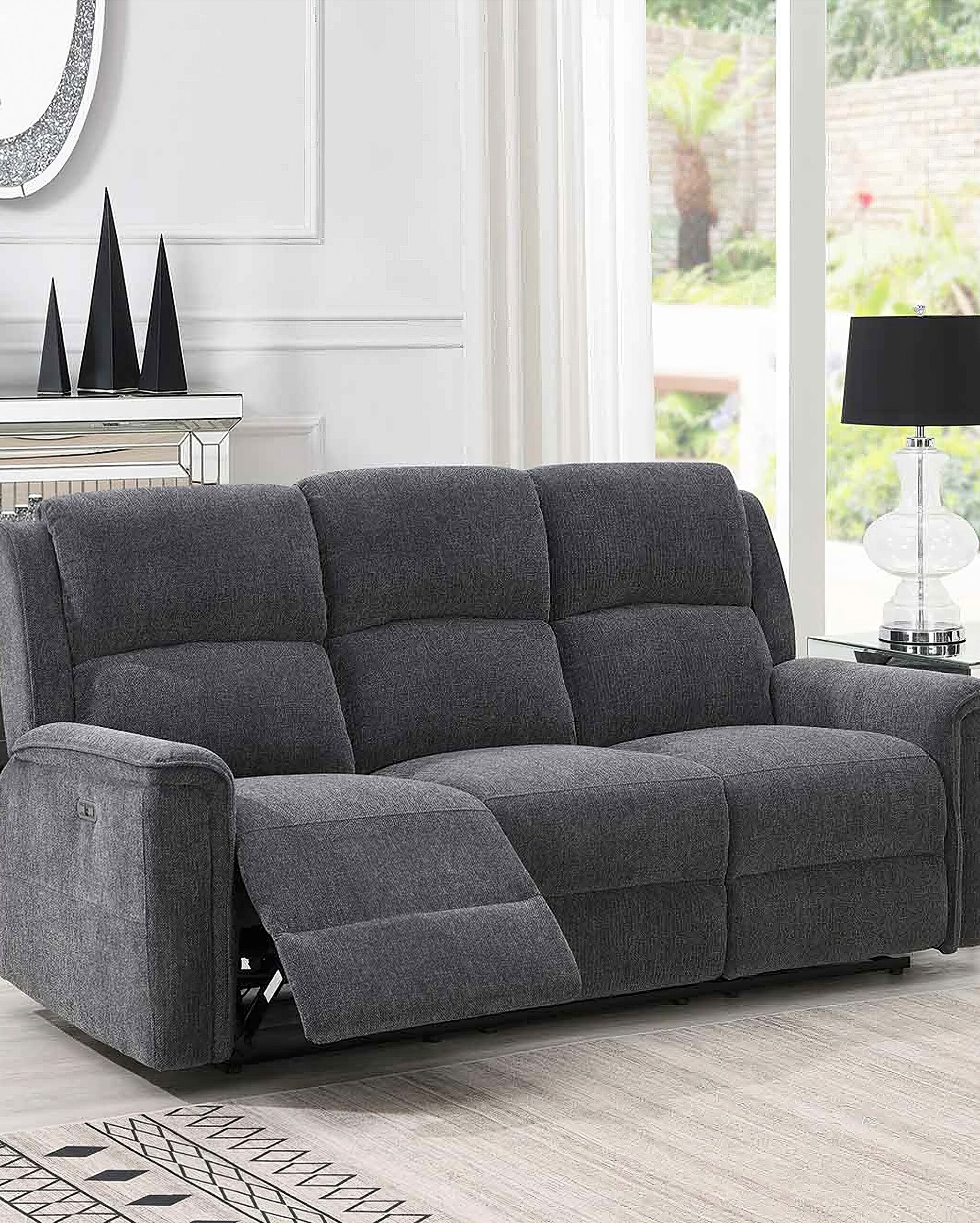
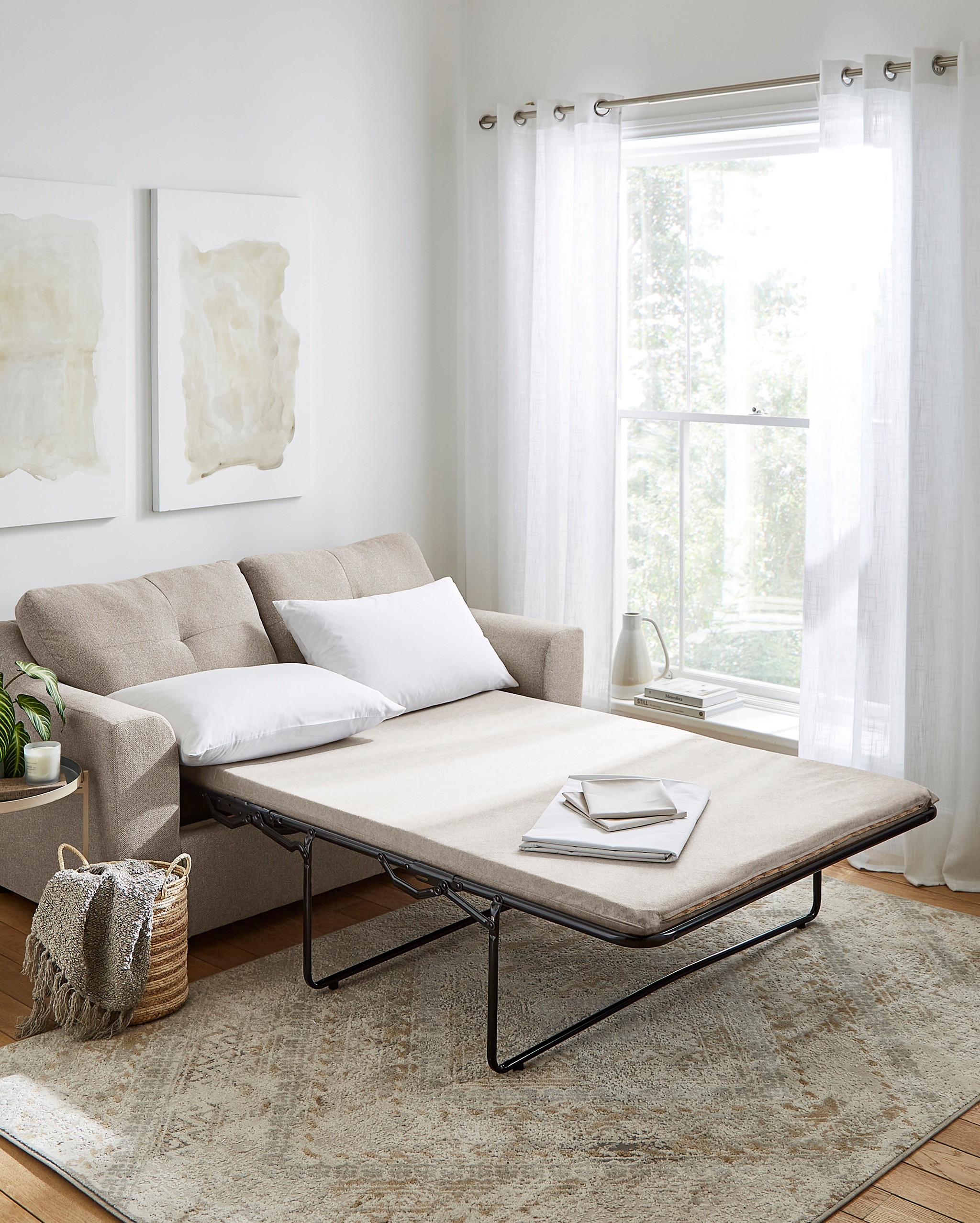
Besides the standard two- or three-seater sofa, there are several other kinds you might want to consider. Get to know them, and you might just find your new favourite.

5. Get to know the sofa styles

Whatever your taste in décor, there’s a sofa to suit you. Before blindly picking a trend, think about whether it’ll suit the style of the room it’s going to sit in.

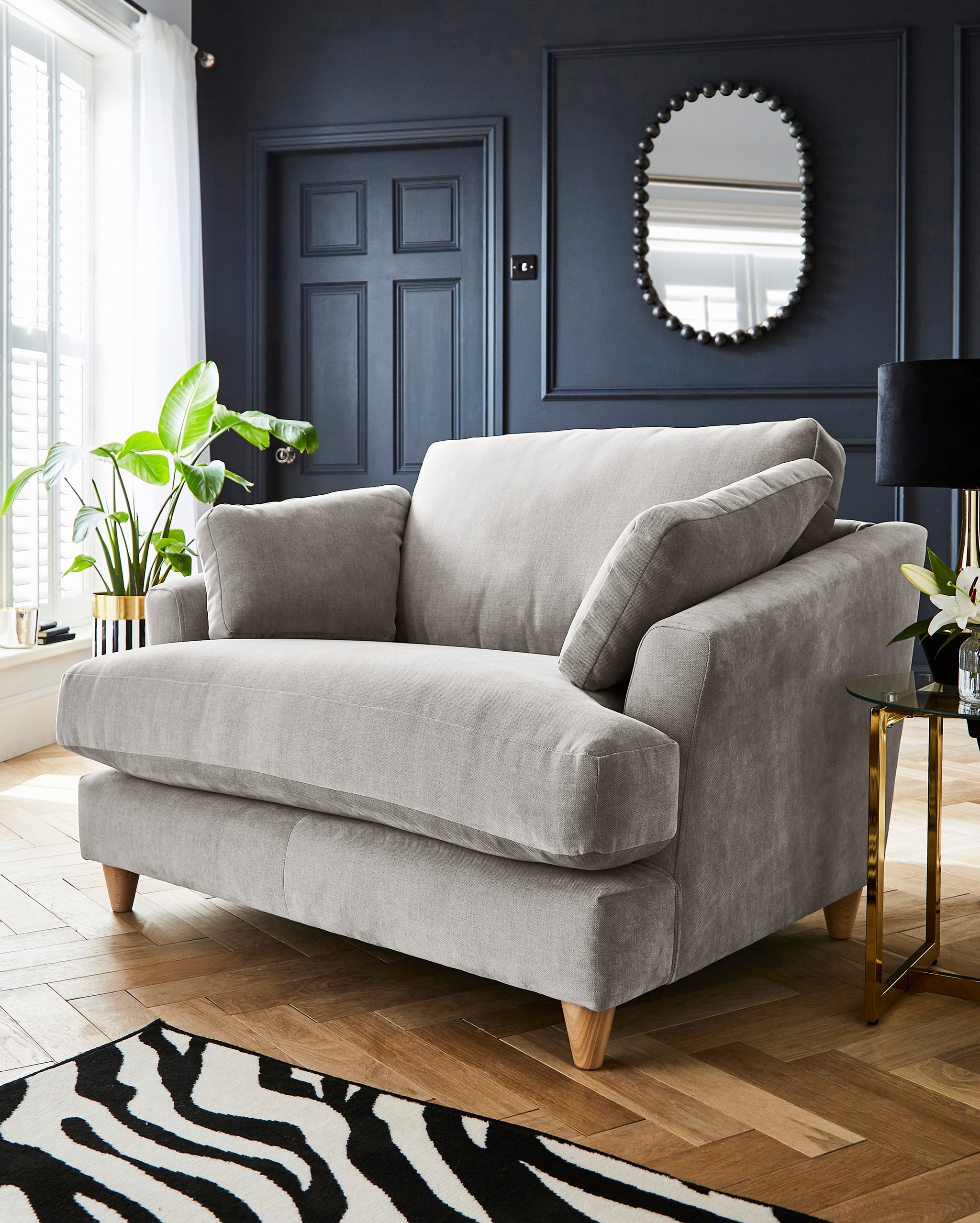
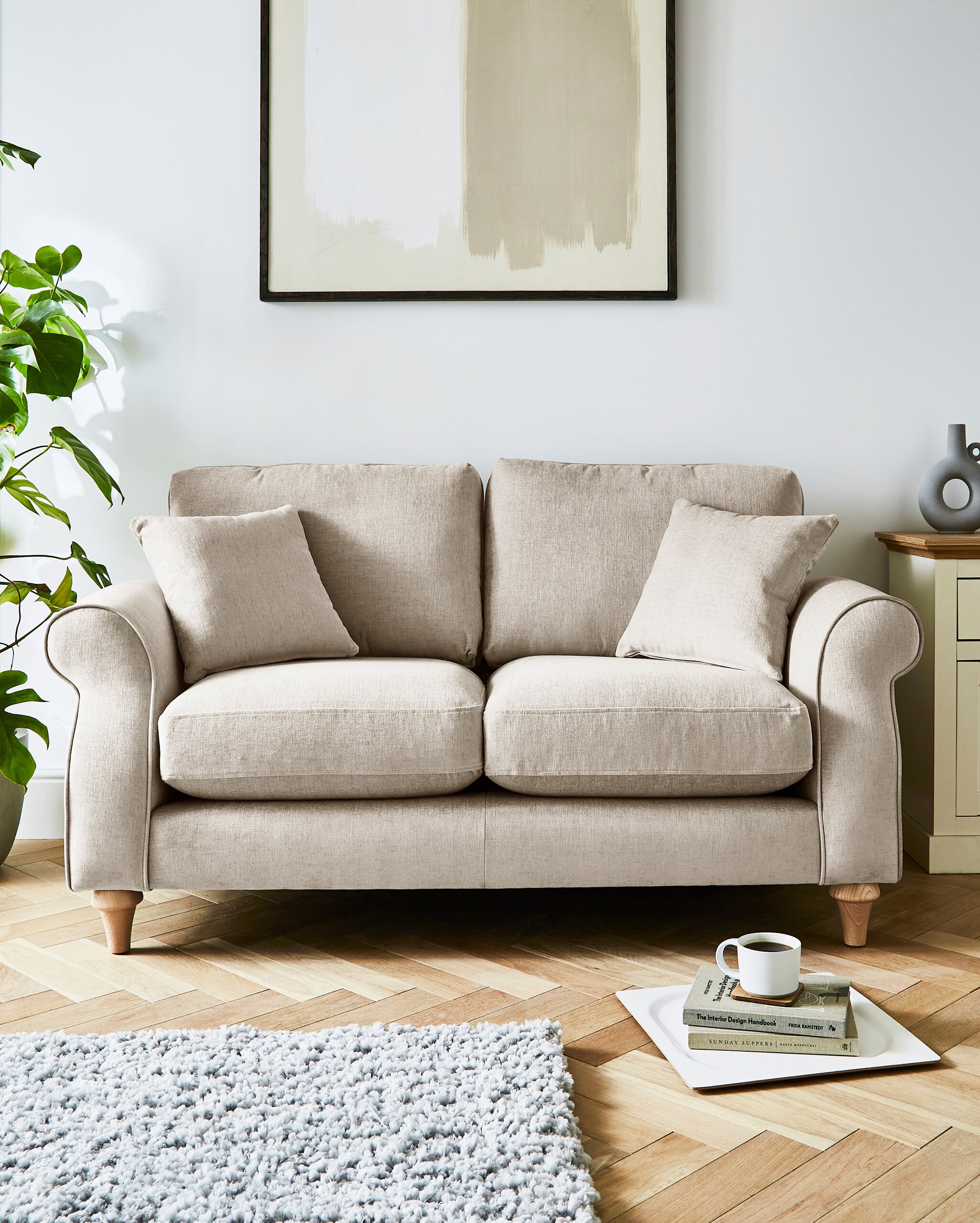
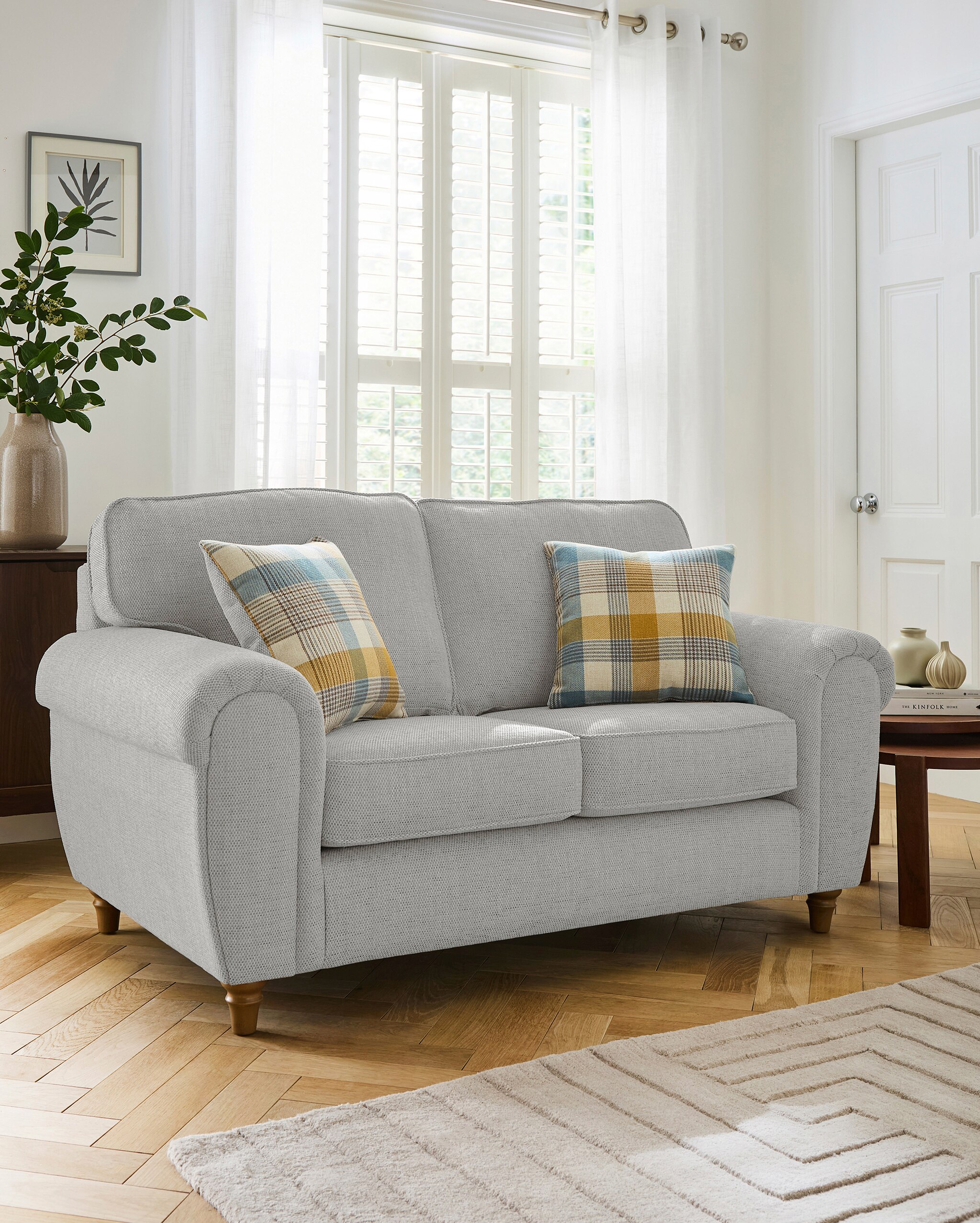
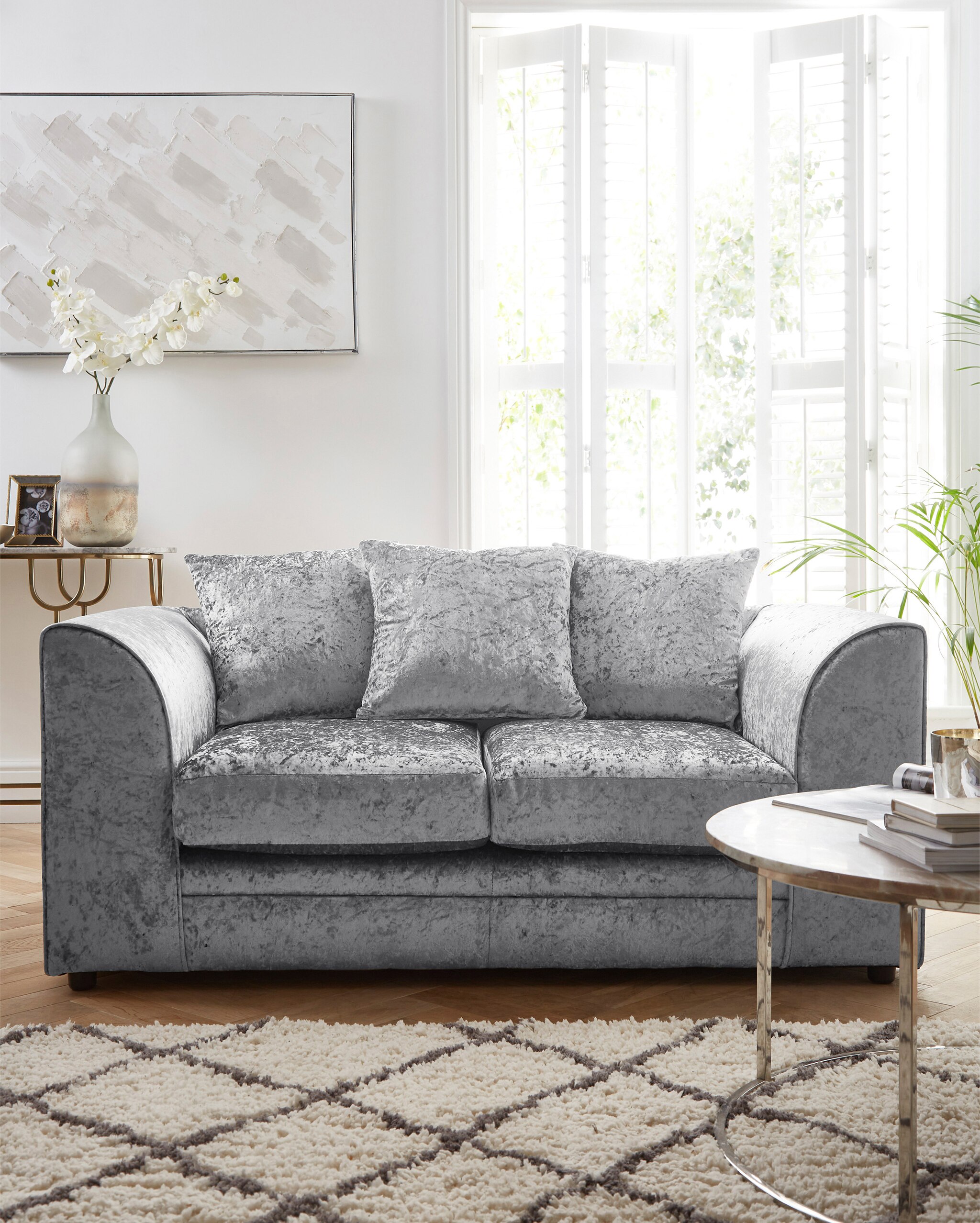
2 seater sofa in cream

Traditional

These often feature deeper seats, rolled arms and backs, and beautiful ornamentation (buttons, decorated legs, etc.). Perfect for Victorian or Georgian homes, they tend to come in rich colours or patterned fabrics that’ll make a statement in any space.

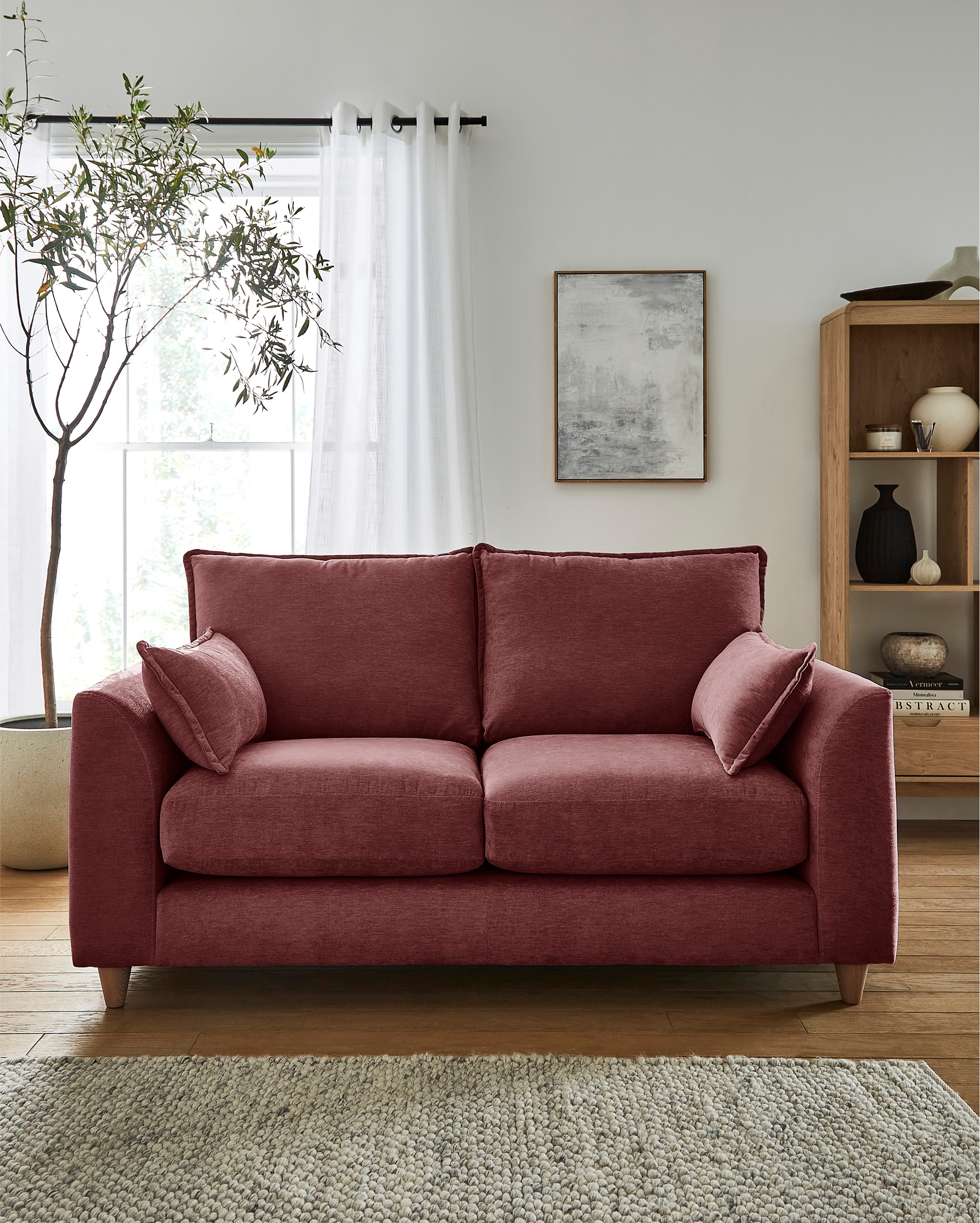
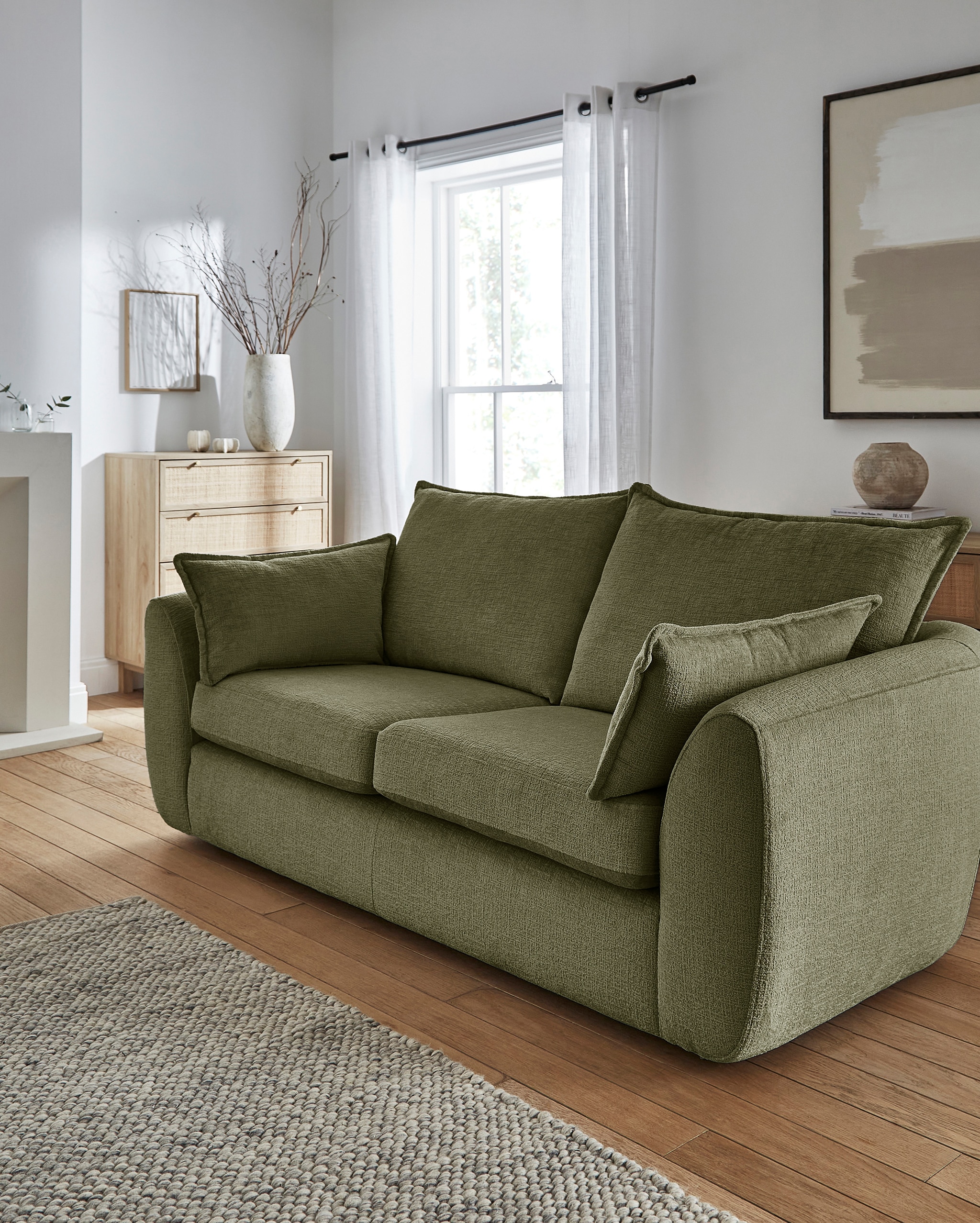
Sofa in green

Country

Again, a bit of a catch-all term, but these sofas tend to have unfussy, simple, classic designs. Elegant and timeless, they’ll never go out of fashion or look out of place.

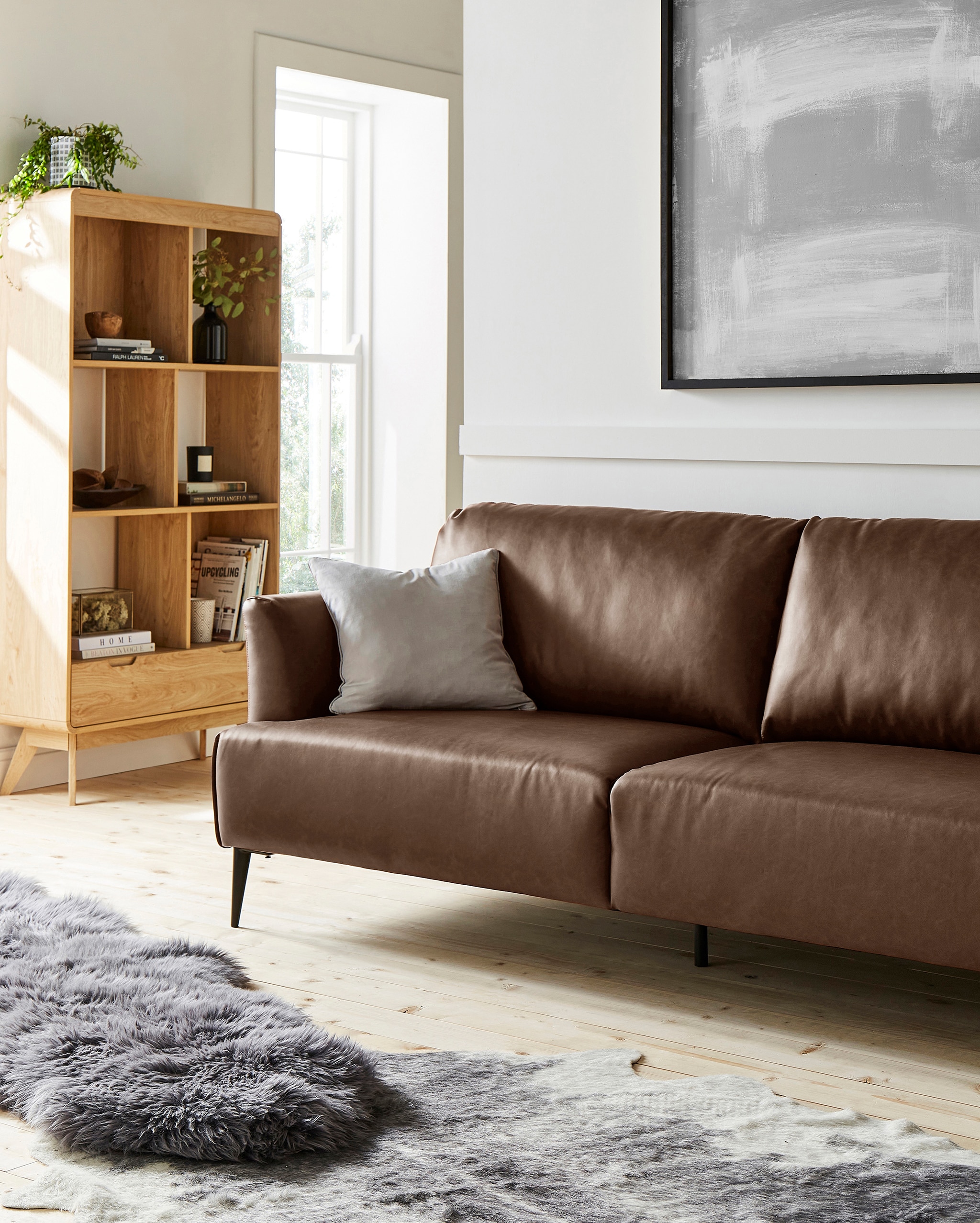
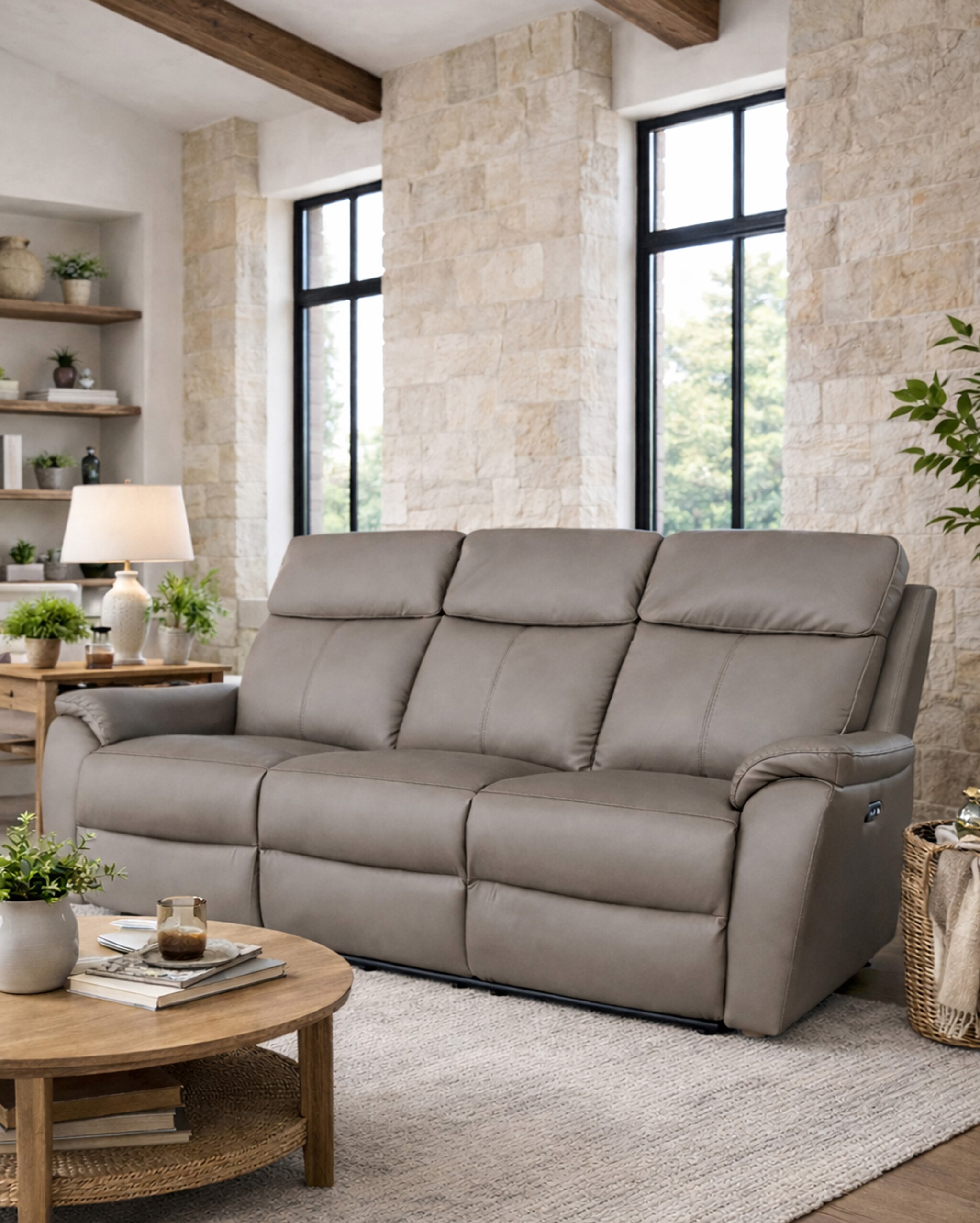
Leather sofa in brown

Mid-Century Modern

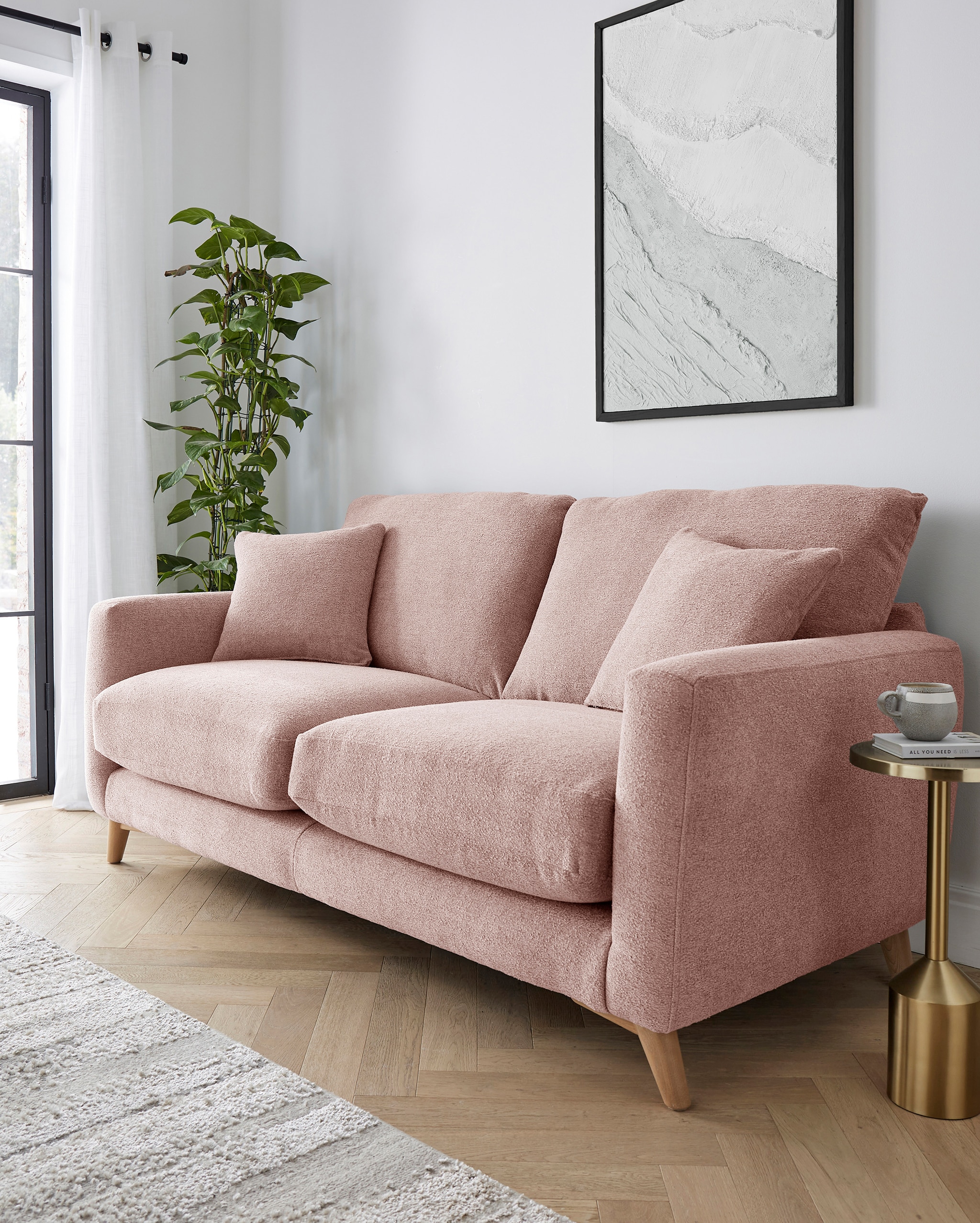
A 1950s style that’s really made a comeback, these sofas are clean with simple lines and (often) angled legs. With a relatively minimal use of materials and decoration, they create a retro feel that can look just right in homes that were built in the 60s and 70s.

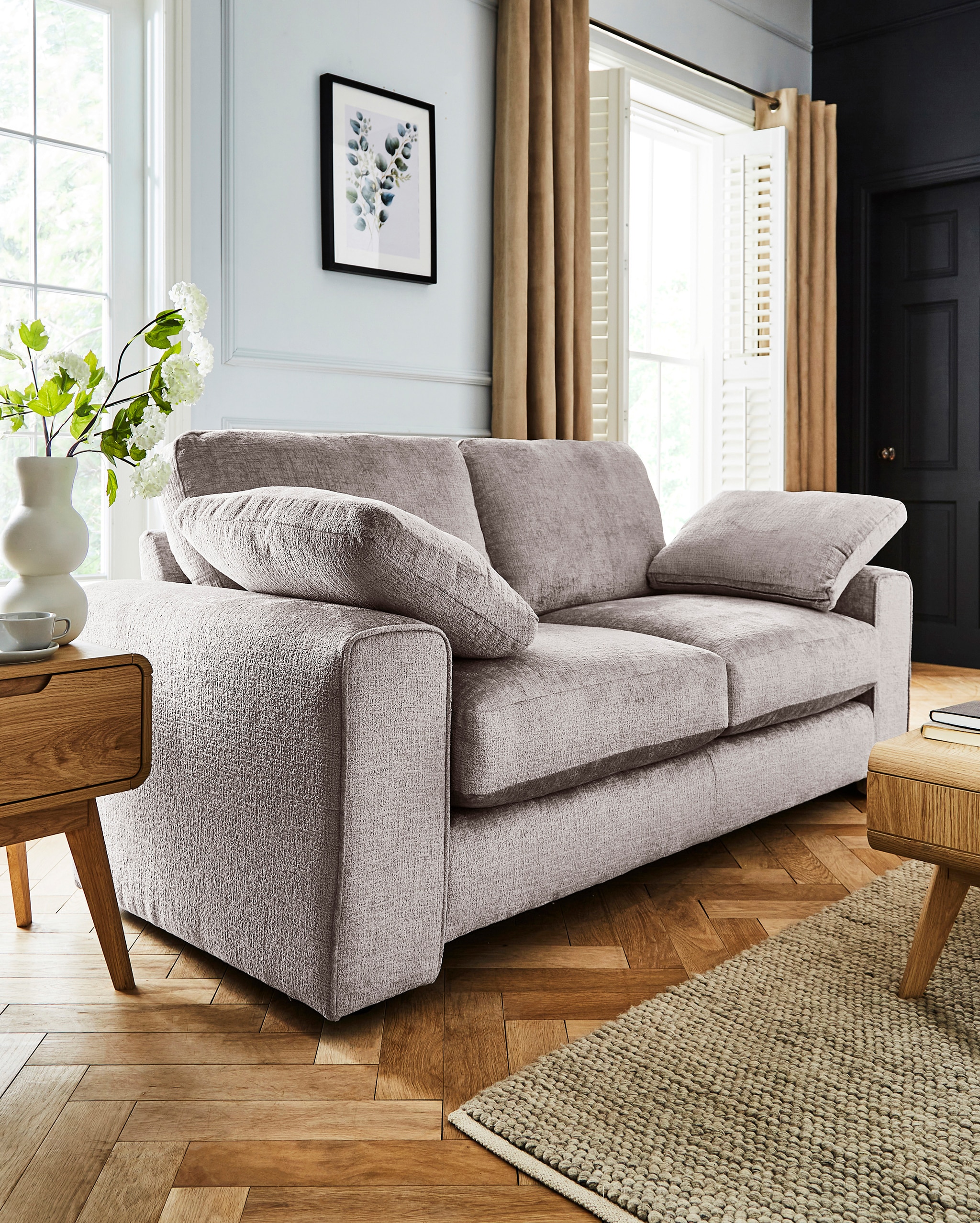
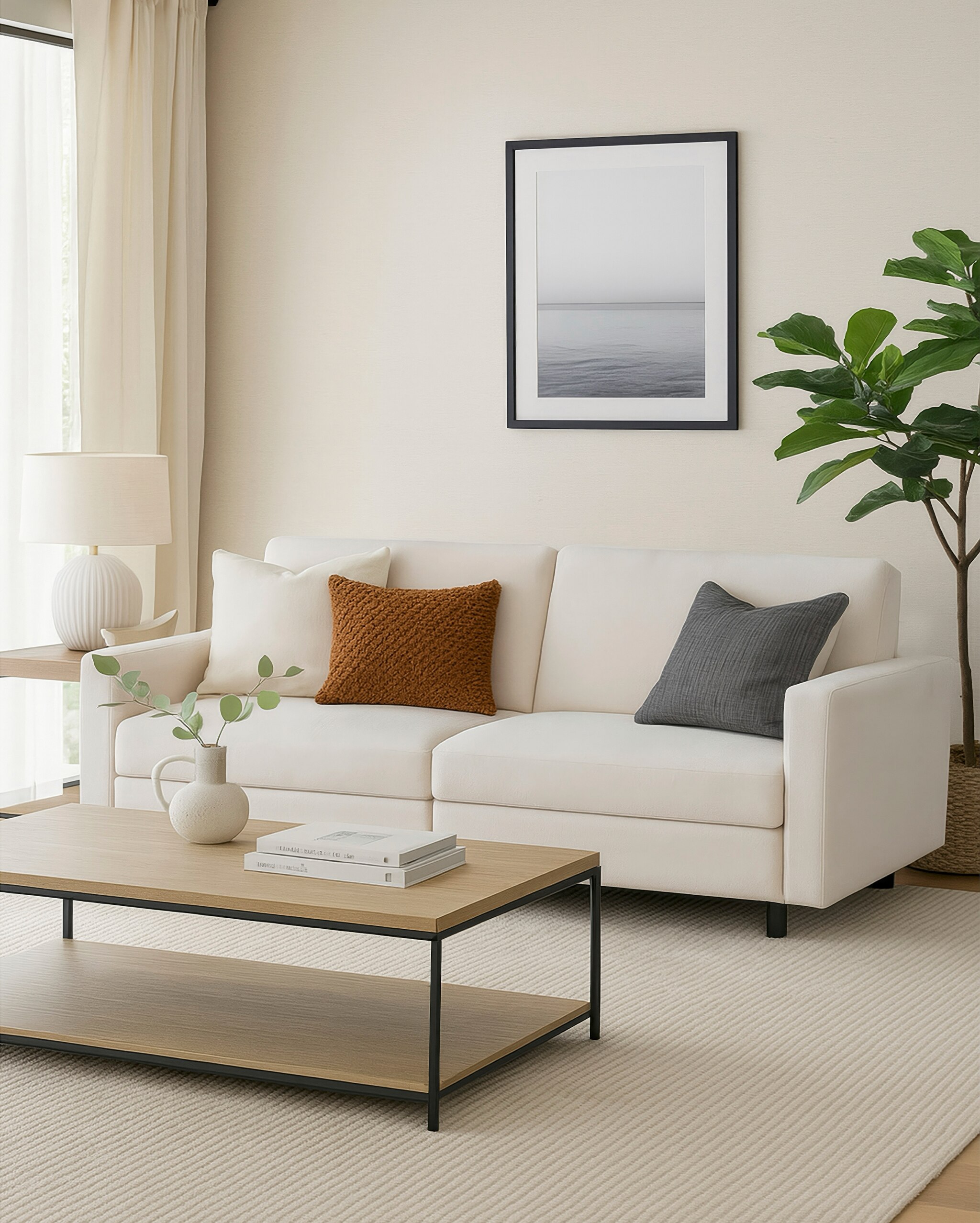
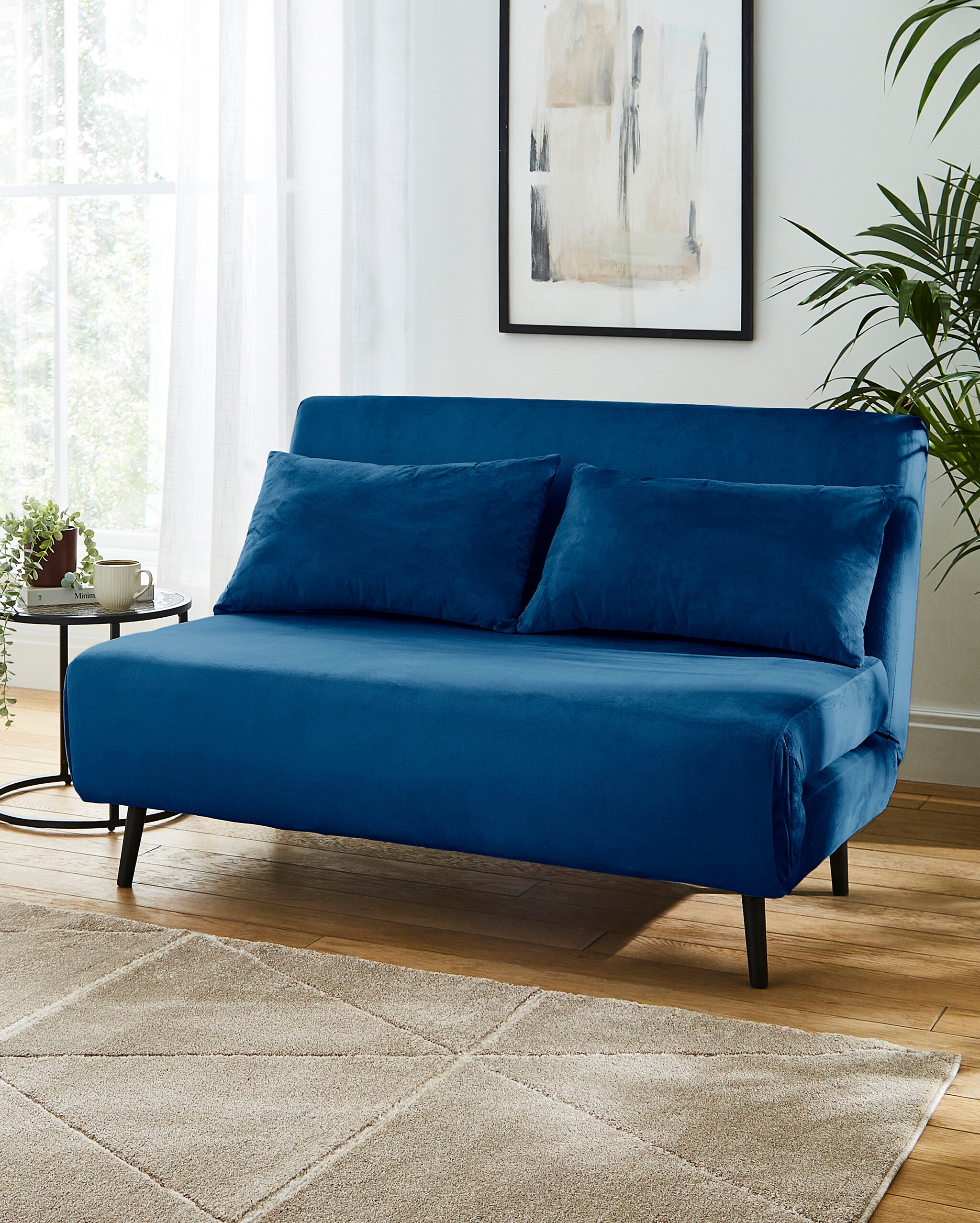
Sofa in cream

Modern and ‘Scandi’

It’s a bit of a catch-all term, but these contemporary sofa trends feature simple geometric shapes and clean lines. Giving a smart, calm vibe, they look great in most spaces but can particularly suit new-builds.

6. Choose a Sofa Material

Modern sofas come in a wide range of fabrics. Again, couch material fabric is mainly about personal preference, so make sure you know your options.

7. Think About Fillings

The filling of your sofa will really impact how it feels. For example, sofas with foam fillings tend to offer more support for those who sit up straight, whereas fibre fillings have a bit more give for those who prefer to snuggle in.


Foam


Synthetic foams with air bubbles in the structure will compress when you sit on them but bounce back to their original shape when you get up. This material offers tons of support and firmness, meaning they’ll keep their shape and need very little maintenance.


Fibre


Made with polyester strands that are woven together, they’ll squidge down when you sit on them for a cosy, cradled feel. They don’t bounce back to shape when you get up though, so they’ll need to be plumped regularly.


Foam and fibre blends


These sofas offer the best of both worlds. The core or base of the seat is made from foam that bounces back into shape, but a top layer of fibre adds a sumptuous feel for complete comfort.

A living room scene with warm lighting, showing a dog sitting on a sofa.

Find Your Perfect Sofa

There are thousands of couches out there, but don’t let that force you into picking the first one you see.

Use these tips to guide you through the never-ending sea of sofas until you find one that’s chic enough for your space, comfy enough for your ‘me time’, and durable enough for whatever the future has in store.

Ready to choose your new couch? Explore our extensive range of sofas today.

Like what you’ve just read?

Follow JD Williams on Google to see more of our content in your results. No sign-up required—just great content directly in your feed, saving your inbox for the big updates. You can change your preferences with Google at any time.

Follow us on Google