
How to Choose the Best Bedding for Your Sleep Style
;Crop=(0,0,4096,2732))
There’s nothing quite like that fresh bedding feeling. And with new pillows and covers? Pure bliss. But unlike with bigger bedroom pieces like beds and mattresses, we tend to choose our bedding without too much thought.
Because a pillow’s just a pillow, right? Well, not exactly.
Your bedding is key to comfort and sleep quality, and it can even impact your health. So, it’s definitely worth getting clued up on the best options for your needs and sleep style - and this guide is here to help.
As we take you through the dreamy world of duvets, pillows, mattress toppers and bedding, we’ll give you plenty of tips and tricks on how to choose the right ones for you.
Why is Bedding so Important for Sleep?
From pillows to duvets, and covers to mattress toppers, the bedding you pick can be the difference between a restless night and a sound sleep.
Evidence shows that duvet and sheet material has a direct link to sleep quality, and that the right pillow choice either helps or hinders back and neck pain, so getting the right ones is essential for a good snooze.
How Often Should You Change Your Bedding?
Sleep experts recommend that we change our pillows every two or three years, and duvets every five. But studies suggest that many of us hang onto our pillows for around five years, and duvets for almost eight.
There are a couple of reasons why it’s worth refreshing your bedding more often.
● Hygiene: Even though we put covers on most kinds of bedding, sweat and skin cells will still seep through over time.
● Structure: Pillow stuffing will eventually break down and change shape, so you might not get the support you need. It’s the same with duvets and mattress toppers - once the stuffing moves out of place, it can create uncomfortable clumping and cool/hot spots.
We recommend replacing your pillow once it looks misshapen, or can fold in half without immediately springing back. With a duvet, it’s time for a refresh when it starts looking thinner, or the stuffing begins to clump together.
How to Choose the Best Bedding for You
To pick the perfect bedding, it’s important to know your sleep needs and understand how different bedding types will work for you.

Think About How You Sleep
When you understand what a sound sleep looks like for you, you’re well on the way to bagging the right bedding. Ask yourself:
● What kind of sleeper are you - front, back, side or a mix?
● Do you get too hot or cold when you’re in bed?
● If you share a bed, do you and your partner both sleep well, or is one person often more comfortable than the other?
● How might your health or time of life affect your sleep? For example, menopause, pregnancy, back or neck injuries.
● What do you like or dislike about your current bedding, and why?
How to Choose the Right Duvet
Few things are as cosy as crawling under the covers and wrapping yourself in a snug duvet. Stuffed with insulating material to keep you warm, they’re a dream on cold winter nights. But there are some things to keep in mind so you don’t end up with one that makes you too hot.
Duvet Togs Explained
‘Tog’ stands for ‘thermal overall grade’, and every duvet has one - it’s simply a measure of how much insulation a duvet offers. The higher the tog, the warmer it keeps you.

4.5 tog and below
A duvet with a 4.5 tog or below is ideal for summer and warmer homes. This style tends to be the best type of bedding for hot sleepers.
7.5 to 10.5 tog
A duvet with a 7.5 to 10.5 tog is great for spring and autumn. They’re often considered the best duvets for year-round use if you live in a fairly well-insulated home with even temperatures.
13.5 tog and above
IA duvet with a 13.5 tog or above is perfect for winter and cooler homes. They’ll keep you warm even on very cold nights.
All-season duvets
All-season duvets are essentially two duvets attached together with poppers. Detach one in warmer weather, and you get a lower tog. Fix it back on again when temperatures drop, and you have a higher tog to beat the chill.
Understand Duvet Fillings
From down to microfibre, duvets can be stuffed with a range of materials to keep you cosy. The best filling for a duvet is mainly a matter of budget and personal taste, but there are some other factors worth thinking about.
Hollowfibre and Microfibre
Hollowfibre and microfibre are polyester materials that feel beautifully light and soft while keeping heat in really well. Just bear in mind that to achieve the same tog as a natural duvet, they need to be thicker.
They’re usually machine washable, and they tend to be more affordable than duvets stuffed with natural materials.
Feather and down
Made using down and feathers from ducks or geese, feather and down duvets offer really impressive temperature control.
Lighter and less ‘chunky’ than synthetic fillings, they have the classic ‘feel’ of a duvet while being extremely durable and long-lasting. But this means that they tend to come with a higher price tag.
Anti-allery fillings
Anti-allergy duvets are stuffed with synthetic materials that have - you guessed it - anti-allergy properties. They’re treated to prevent the build-up of dust mites, and may also have a very tight weave to prevent mites getting in.
This type of duvet would be the perfect choice if you find that traditional feather and down duvets tend to trigger your allergies.
How to Choose the Right Pillow
Pillow and sleep comfort go hand in hand. Choose the wrong one, and you can wake up with a crick in the neck. But get it right, and you’ll leap out of bed, refreshed and ready to take on the day.
The ideal pillow should:
● Allow the spinal bones in your neck to stay in a neutral position - they shouldn’t be bending forwards, backwards or side to side.
● Let your neck muscles relax - you shouldn’t be tensing up to get into a comfortable position.
● Evenly distribute weight between the disks in your neck - one part of the neck shouldn’t be taking more strain than others.
This means that there isn’t one single pillow that’s suitable for everyone. The best one for you will depend on your sleeping position and the shape of your body - a side sleeper with broader shoulders will need a thicker pillow than someone with narrower shoulders, for example.
Pillow Firmness and Sleeping Position
Pillows come thick or thin and are described as soft, medium-soft, medium, medium-firm and firm. To choose the best one for you, you’ll need to know your sleeping position.
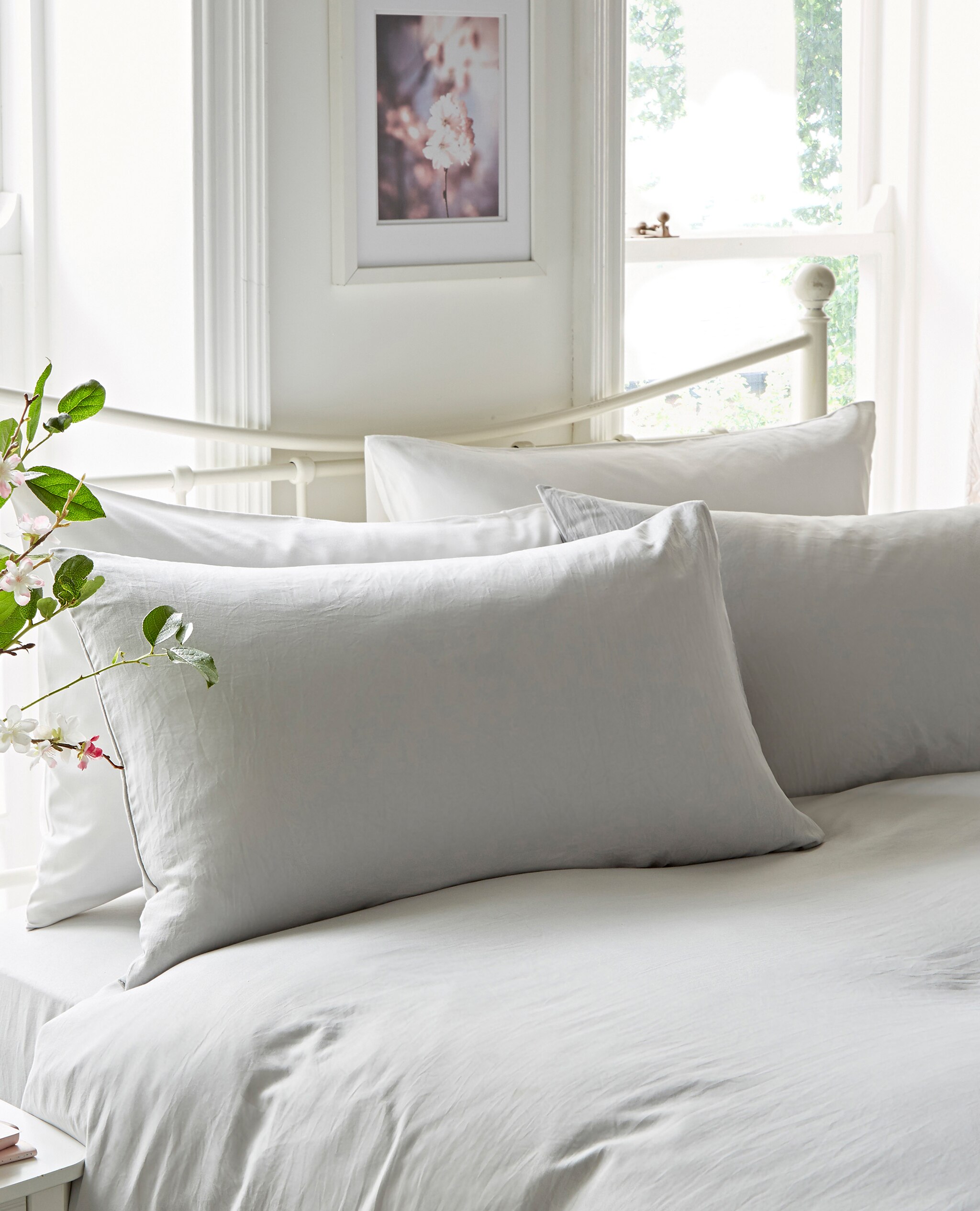
Front sleepers: If you like to sleep on your front, choose a soft, thin pillow. This will prevent your neck bones from tilting too far back.
Back sleepers: If you usually sleep on your back, choose a thin, medium-firm pillow. This will give you enough neck support without pushing your head too high.
Side sleepers: The best pillows for side sleepers are firm or medium-firm pillows that are fairly thick. These will support your neck and keep it aligned.
Back and side sleepers: If you often shift between back and side sleeping, choose a medium pillow that will keep your neck aligned in both positions.
Understand Pillow Filling
Like with duvets, pillow filling is mainly about personal preference, but budget, allergies and health should also play a part in your choice.
Hollowfibre: Made with a synthetic polyester mix, hollowfibre pillows are lightweight, breathable (to keep you cool) and have a cloud-like feel. They’re a more affordable option and can be machine washed easily.
Microfibre: Microfibre pillows have the sumptuous, silky feel of down stuffing, but at a much more affordable price point. They’re also very easy to clean.
Feather and Down: The classic pillow fillings, feather and down, are natural fibres that offer excellent breathability and temperature management - you’ll never be too hot or cold.
Anti-Allergy: Anti-allergy pillows have special treatments or weaves which prevent the build-up of dust mites. This makes them a great choice if you suffer from allergies.
Feather: Pure feather pillows will mould to the shape of your head. A higher feather count simply means the pillow will be a bit firmer.
Memory Foam: Made using materials like latex, memory foam pillows mould to the shape of your head for support that feels tailored to you.
How to Choose the Right Mattress Topper
Tucked right between your mattress and sheets, a mattress topper is arguably the unsung hero of bedding, and yet it can be the piece we think about least when we’re refreshing our sets.
There are a few types to choose from, and they each have different purposes. But what they all have in common is that they’ll help your mattress last longer by protecting it from moisture, skin cells, body heat and friction.
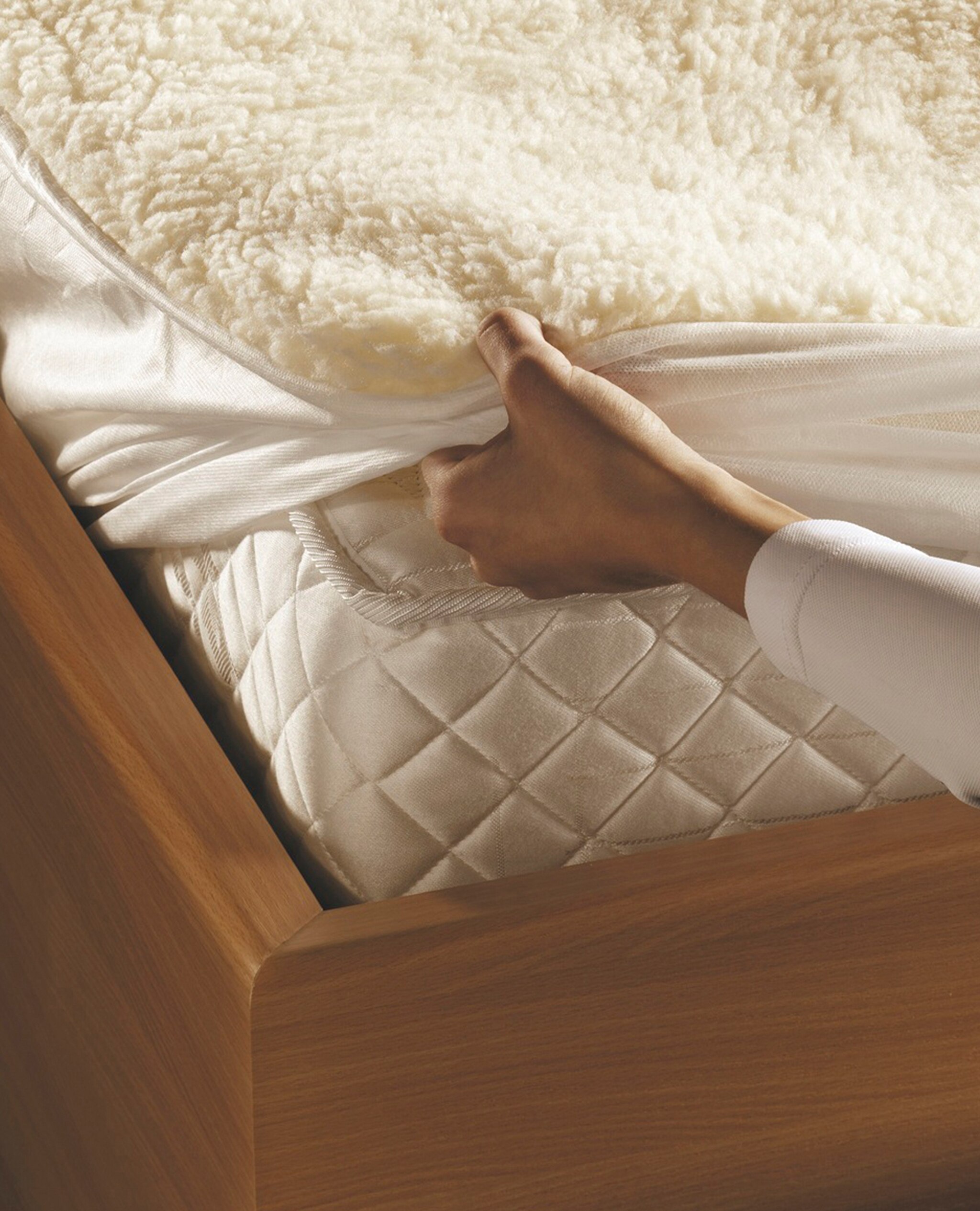
Mattress protector
The simplest type of mattress topper, it’s essentially a fitted sheet with water-resistant features to protect the mattress from sweat, spills, and any other accidents.
Standard mattress toppers
A standard mattress topper has a layer of quilted padding. If your current mattress is too thin or you find it uncomfortable, this is an affordable way to make it more comfy.
Memory foam mattress topper
By using special foams that mould to the shape of your body, these mattress toppers give you some of the benefits of a memory foam mattress, at a much more affordable price.
Temperature control mattress toppers
These mattress toppers can either make your mattress feel cooler or warmer, depending on your needs.
Need some more tips and tricks? Our Bed and Mattress Buying Guide has all you need to know about choosing the right mattress for you.
How to Choose the Right Bedding Fabrics
You’ve picked out your bedding; now there’s just one more thing to decide - the fabric of your bed sheets, duvet cover and pillowcases.
Once again, it’ll mostly come down to personal preference, but you might want to keep in mind that some fabrics are better for cooling, softness, smoothness and budget.
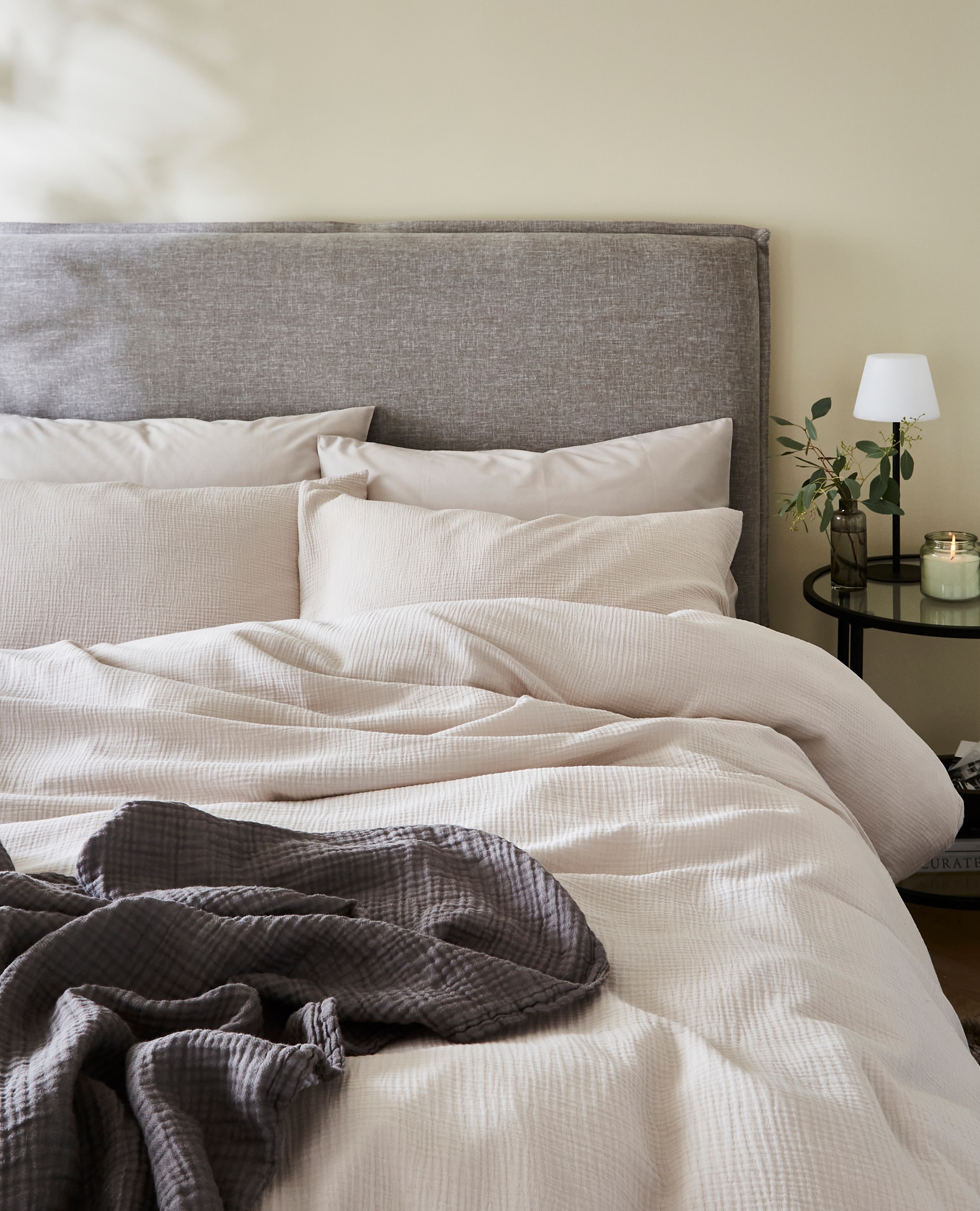
Cotton
Cotton is a natural fibre that’s soft, breathable and durable - it helps regulate temperature through the night too. Although it can tend to wrinkle, it’s the most cooling bedding material, which makes it a good choice if you tend to feel hot as you sleep.
Polyester
Polyester is a synthetic fabric that’s durable, affordable and easy to care for. While it usually feels smooth and lightweight, it’s a little less breathable than cotton and may be less suitable if you have sensitive skin.
Poly cotton
Polycotton is a blend of natural cotton and polyester fibres. This means you get the softness and breathability of cotton, and the low maintenance of polyester. Polycotton feels smooth and lightweight but is slightly less suitable for sensitive skin.
Bedding for Every Need
We’ve talked through what’s considered the best bedding options, but everyone is unique, and so are their sleep needs. Health, living arrangements and time of life can all affect what you need from your bedding, so keep them in mind when choosing your new pieces.
Bedding Suitable for Menopause
During menopause, you might feel much warmer in bed, particularly if you experience night sweats. If so, thoughtfully choose bedding that’ll help regulate body temperature during hot flushes.
● For the duvet, pick a lower tog than usual.
● Choose more breathable sheets, pillow covers and duvet covers - cotton is a good choice.
● Invest in a cooling mattress topper - these feature shallow grooves that allow air to circulate more easily.
Bedding During Pregnancy
Sleep can be uncomfortable during pregnancy, but sleeping on your side can put the least pressure on your baby bump. To make nights more restful, consider getting a special pregnancy pillow that supports you with side sleeping - V-shape pillows can also be a great alternative.
Couples with Different Temperature Preferences
If you prefer a warm bed but your partner likes it cool, choose a dual tog duvet. One side has a lower tog, and the other half has a higher tog, so neither of you has to compromise.
Alternatively, sleep as they do in Scandinavia. In countries like Sweden, Norway and Denmark, couples share a bed, but each person has their own single duvet that’s the right size and tog for them.
Bedding FAQs
;Crop=(0,0,4096,2732),gravity=North)
Ready for a Restful Night’s Sleep?
A sound sleep can be the difference between a good day and a bad day, a glorious mood and a grouchy one, a get-up-and-go start and a reluctant crawl into the shower. But it’s far more than that - it’s about health too.
Yes, there’s a lot to think about when choosing new bedding, but it’s worth it when you can rest easy night after night. That’s why we have a huge range of bedding to suit everyone and their unique sleep needs.
Explore our full bedding collection today and find the perfect pieces for you.
Like what you’ve just read?
Follow JD Williams on Google to see more of our content in your results. No sign-up required—just great content directly in your feed, saving your inbox for the big updates. You can change your preferences with Google at any time.
 Follow us on Google