
Mattress buying guide
;Crop=(0,0,4096,2732))
Investing in a new mattress is a significant decision, one that directly impacts your sleep quality, overall wellbeing, and even your daily mood. With a vast array of options available – from different materials and support systems to varying firmness levels and sizes – finding the perfect mattress can feel overwhelming.
This comprehensive buying guide is designed to simplify your journey. We’ll walk you through everything you need to know, helping you understand the key components of a great mattress, explore the different types available, and address common concerns. Our goal is to empower you with the knowledge to make an informed choice, ensuring you select a mattress that promises years of comfortable, restorative sleep. Let’s begin your journey to a better night’s sleep!
Starting your mattress search
When you're ready to choose a new mattress, there are three key things to keep in mind:
Support
The springs inside the mattress provide its support. A good mattress will have springs that contour to your body's shape and distribute your weight evenly. This is crucial for proper spinal alignment and overall comfort.
.
Comfort
Mattress fillings, any additional padding, and an optional mattress topper all contribute to the comfort level. These layers determine how soft or firm the mattress feels and how it cushions your body.
.
Bed Base
Don't overlook your bed base! The type of base you use can significantly impact how your mattress feels and performs. Also, consider the age of your current base. An old or worn-out base might prevent even a new mattress from offering its best comfort and support, so a replacement might be necessary.
Choosing your perfect mattress: A guide to types
Finding the right mattress is key to a good night’s sleep. To help you choose, here’s a breakdown of the different types available, each offering unique benefits for your family’s sleeping needs.
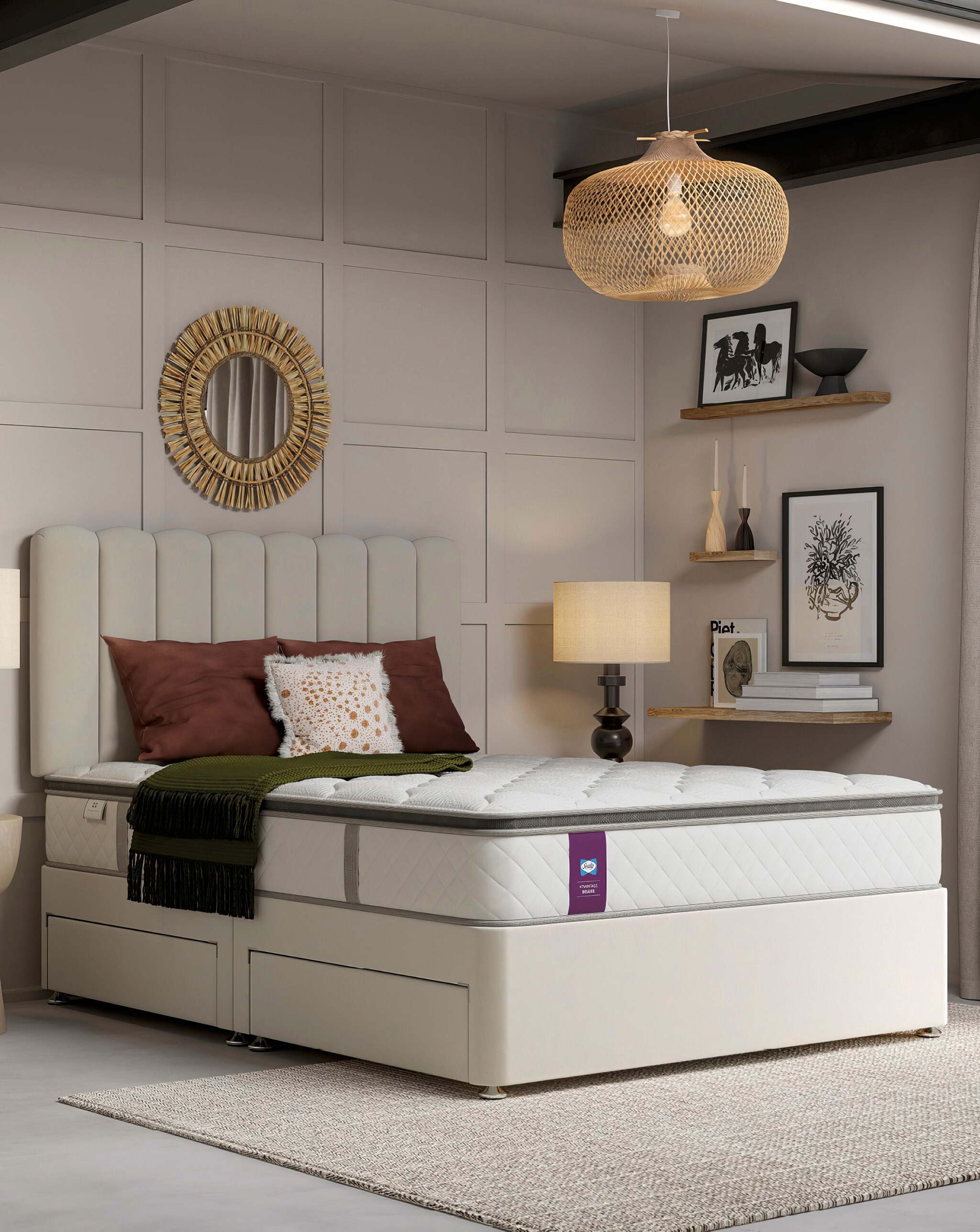
Open spring mattresses
How they’re made: These mattresses feature a connected spring system, meaning all springs move together as one unit. A double size, for example, typically contains 200-400 springs. Benefits: Open spring mattresses are generally more affordable and lightweight, making them a great choice for guest bedrooms or if you’re on a budget.
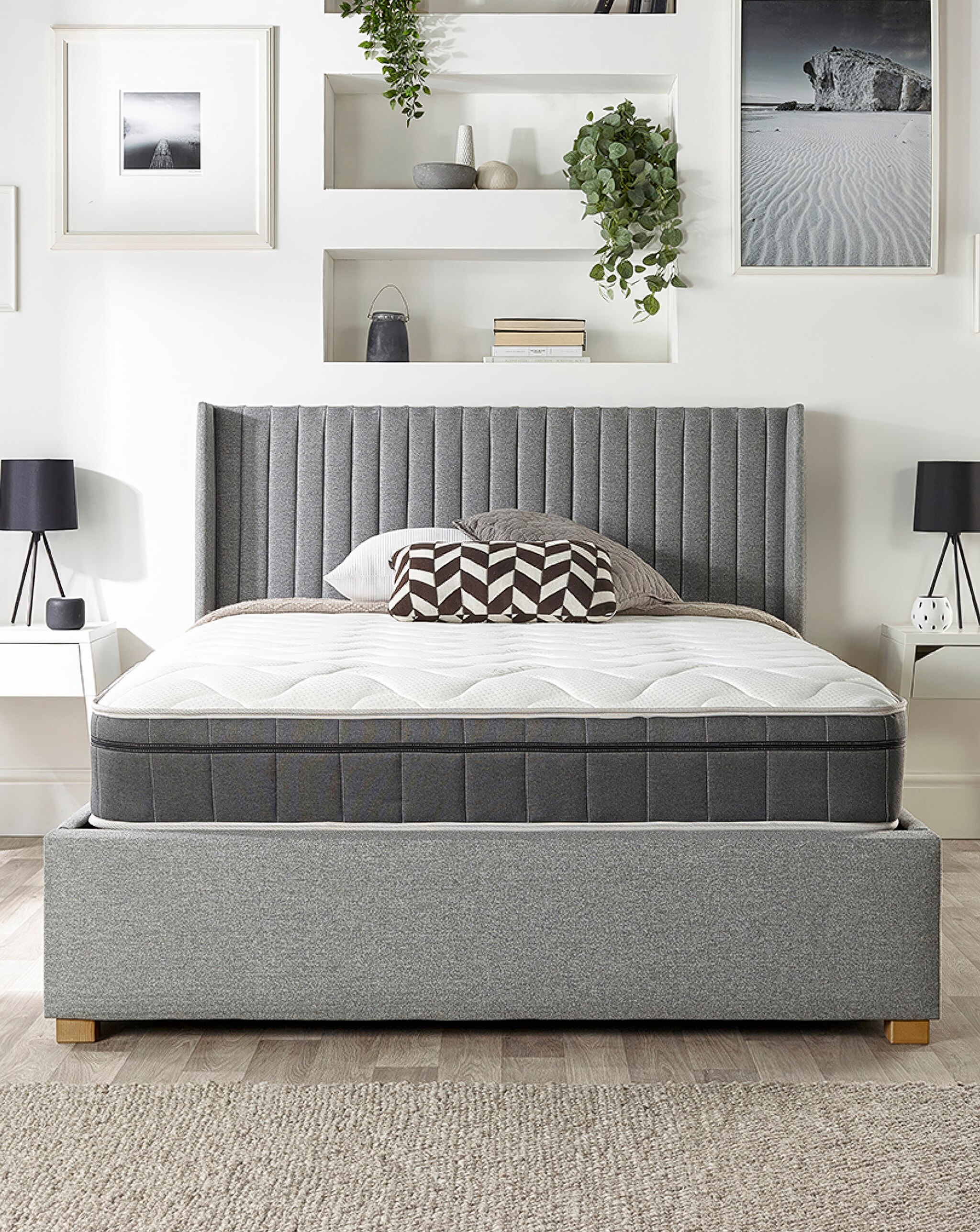
Pocket spring mattresses
How they’re made: Unlike open spring, each spring in a pocket spring mattress is individually housed in its own fabric pocket. This allows them to work independently, contouring more precisely to your body. The number of springs varies by mattress. Benefits: These mattresses are often longer-lasting and excel at minimising motion transfer, so you’re less likely to disturb your partner. They also provide superior pressure relief on joints.
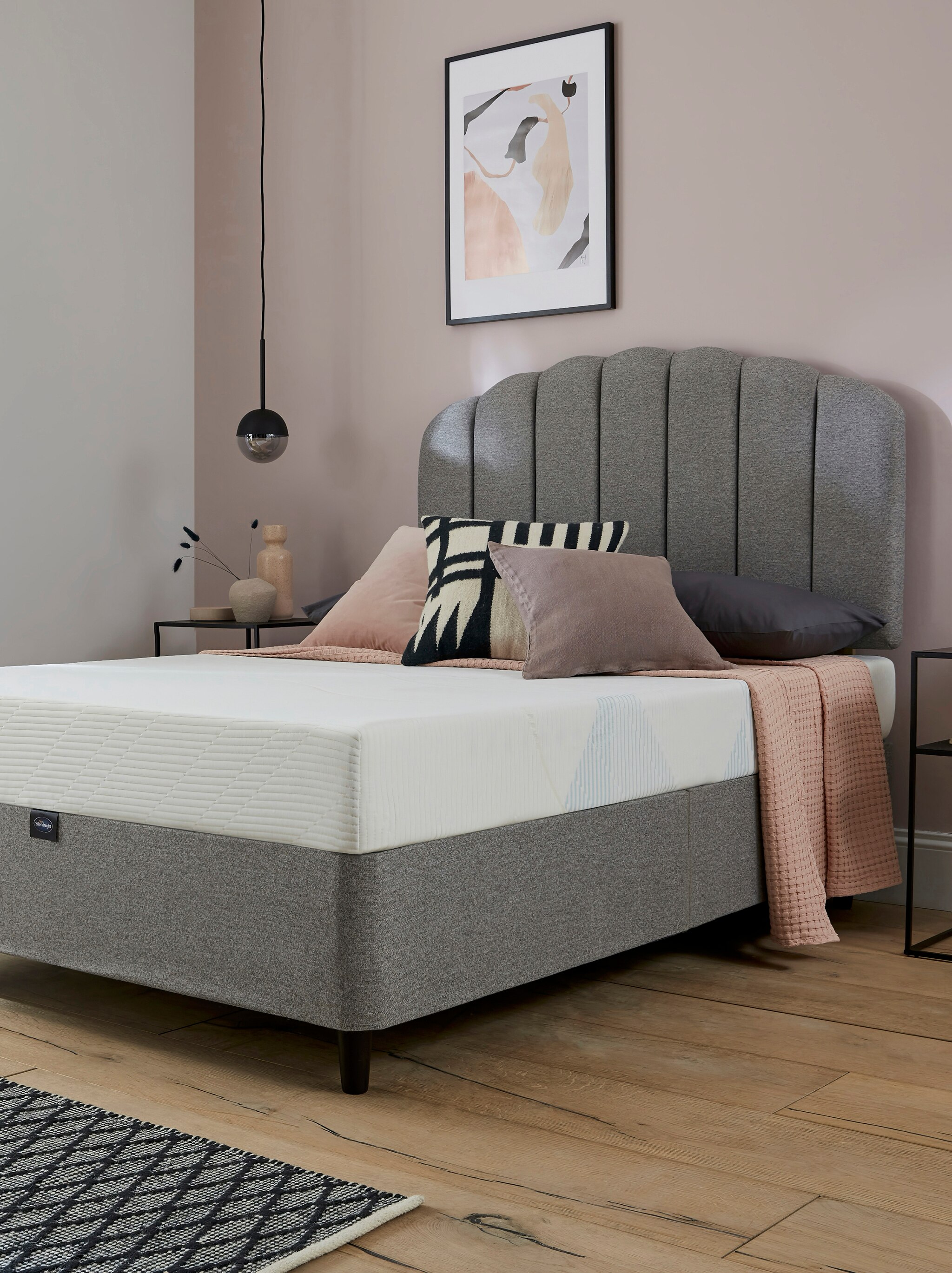
Foam & memory foam mattresses
How they’re made: These mattresses are constructed from various layers of foam, with memory foam specifically designed to mould and contour to your body’s unique shape in response to heat and pressure. Benefits: They’re excellent for reducing movement disturbance, relieving pressure points, and providing exceptional body-conforming comfort, which can help align your spine.
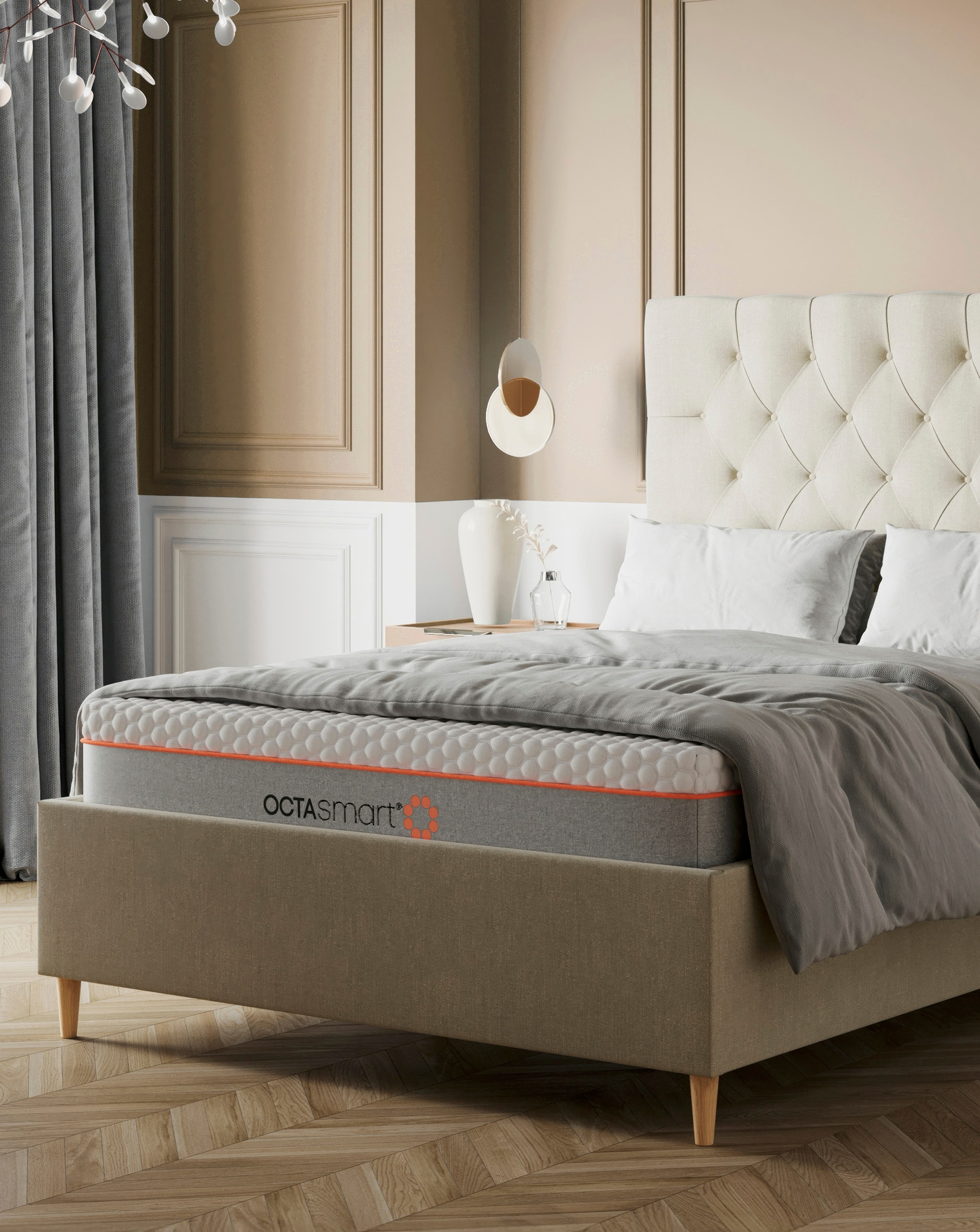
Hybrid mattresses
How they're made: Hybrid mattresses offer the best of both worlds, combining the supportive structure of pocket springs with the pressure-relieving comfort of memory foam layers. Benefits: They provide balanced support and comfort. The pocket springs also allow for better air circulation, making them generally more breathable than pure memory foam mattresses.
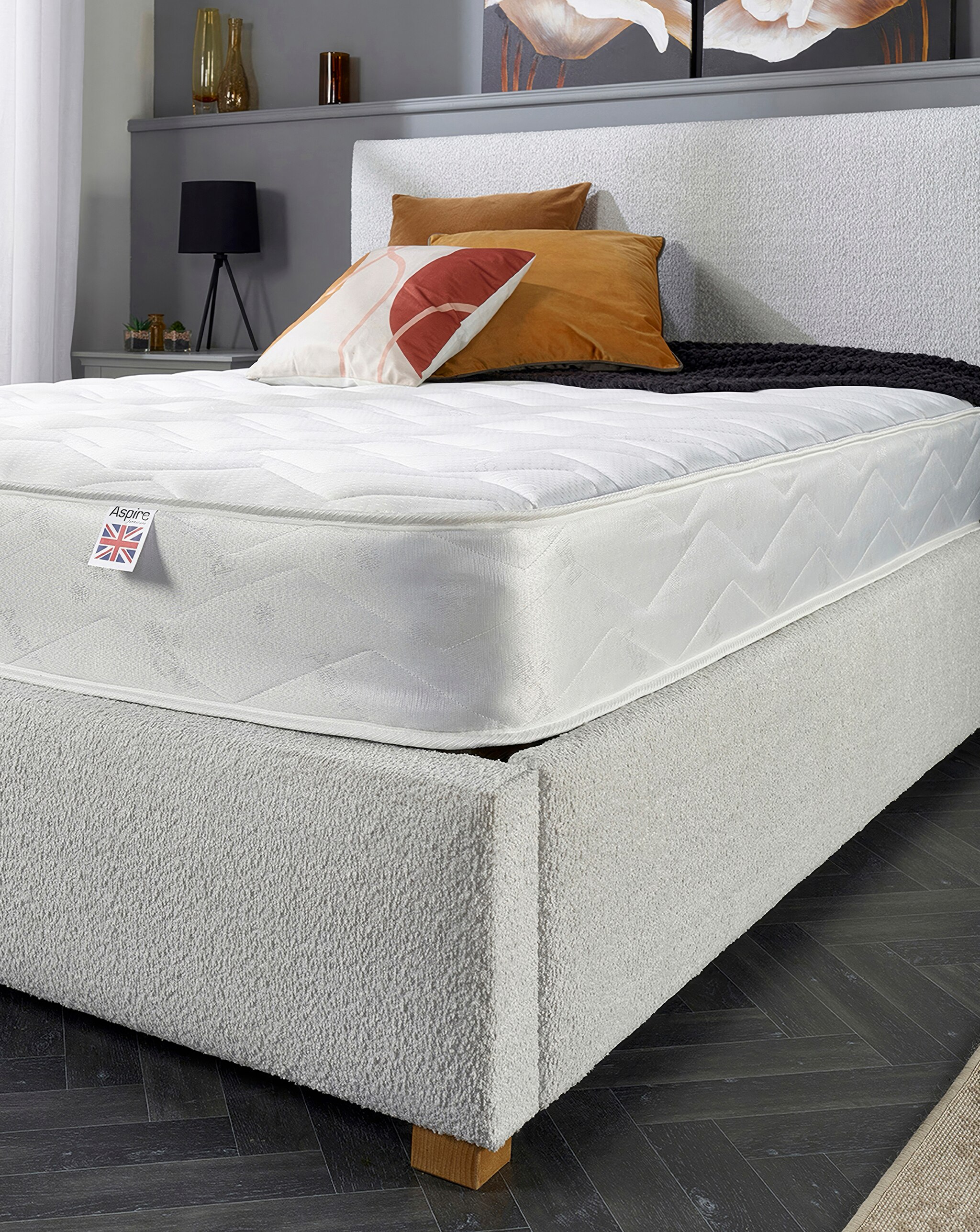
Rolled mattresses (Bed in a box)
How they're made: These mattresses are compressed and rolled into a compact box for easy transport. Once unboxed, they expand to their full size within a few hours. Benefits: Rolled mattresses are incredibly easy to transport and manoeuvre through narrow hallways and doorways. Their compact nature also makes them a more environmentally friendly option for delivery.
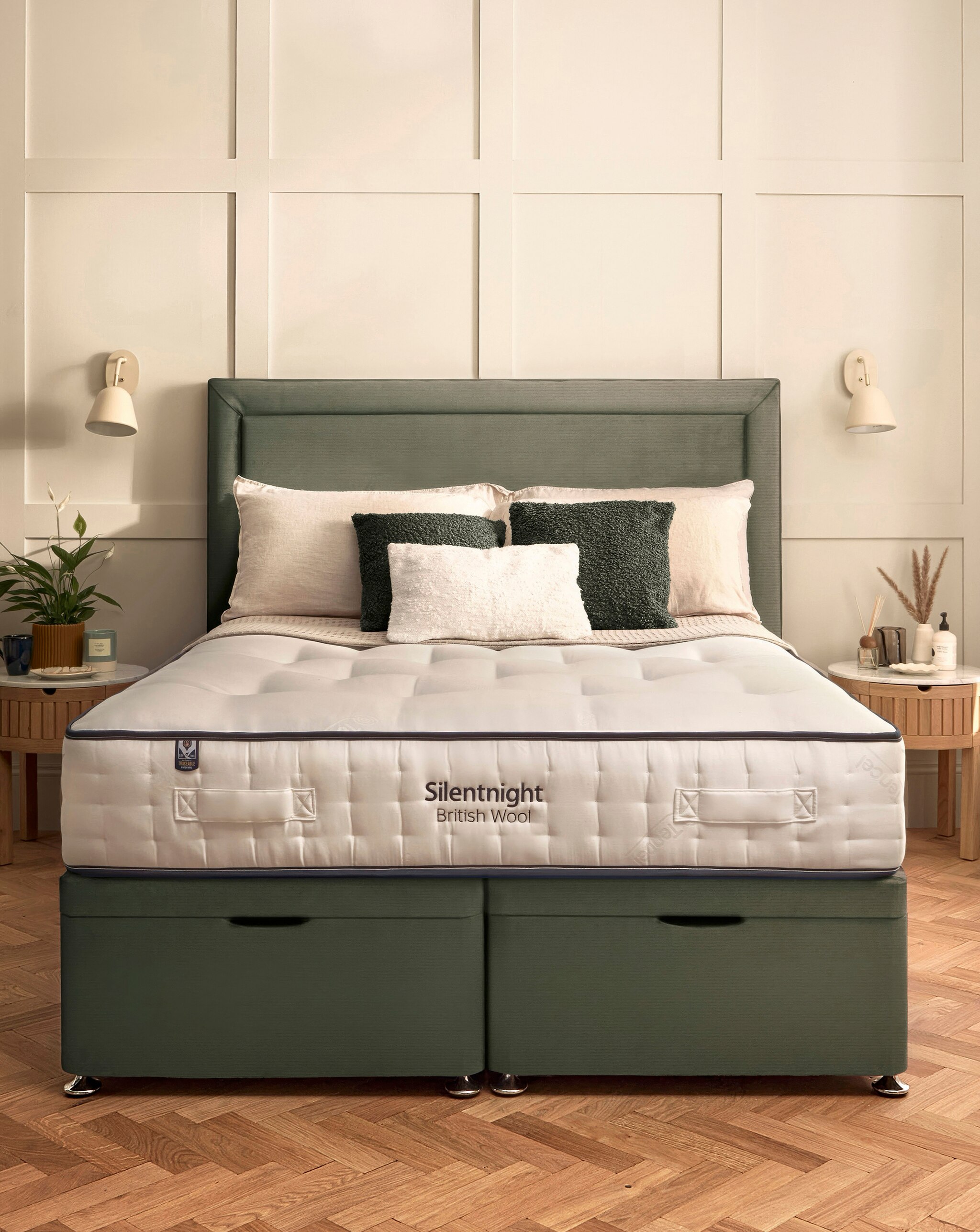
Natural mattresses
How they're made: These mattresses are crafted using fibres sourced from nature, such as cotton, wool, mohair, and cashmere. Benefits: Natural fibres are fantastic for temperature regulation and their ability to wick moisture away from the body, helping you stay comfortable throughout the night.
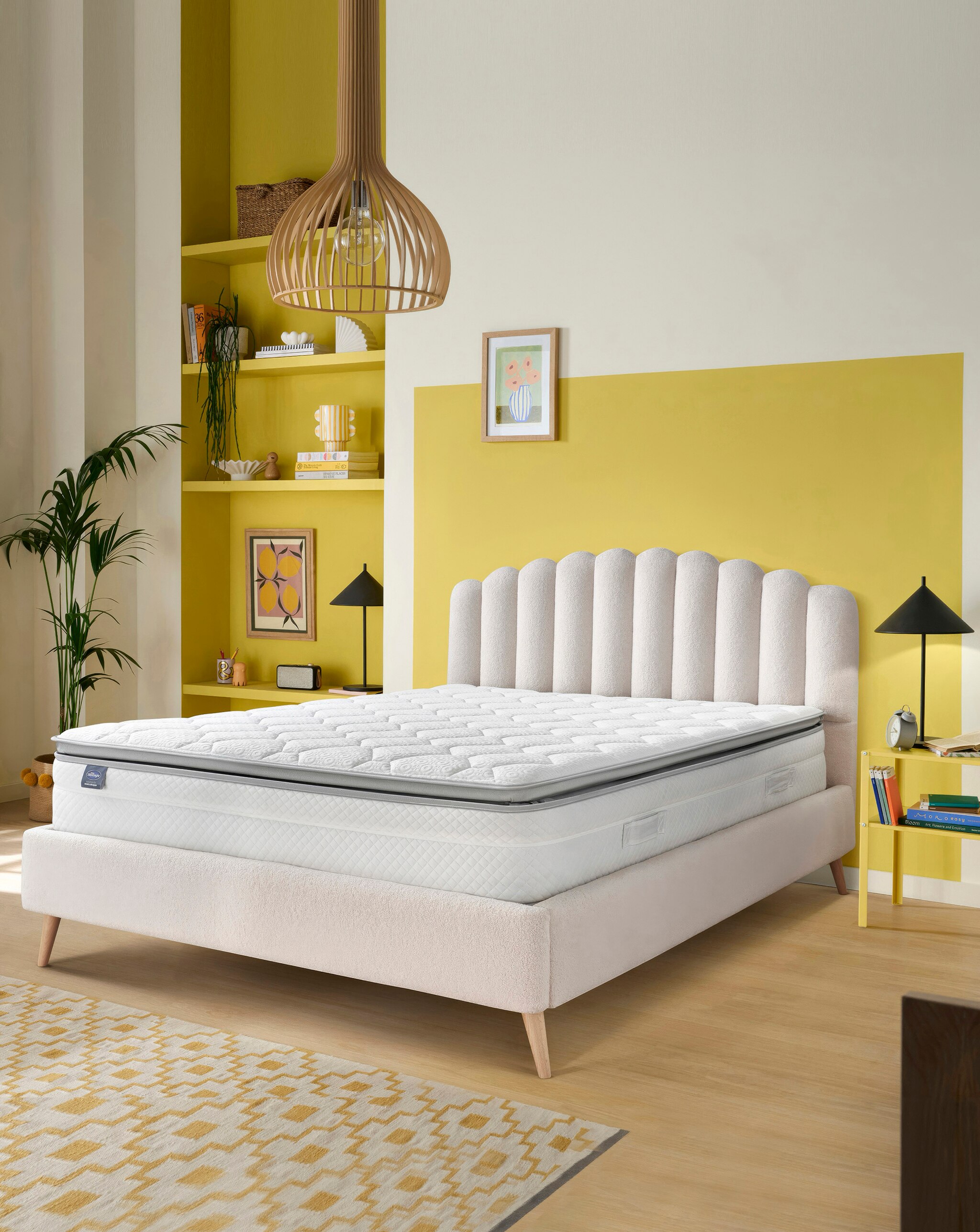
Pillow top mattresses
How they’re made: Pillow top mattresses consist of two distinct sections: a softer, integrated “pillow top” comfort layer on top of a supportive base section. Benefits: The main advantage is the extra softness and luxurious feel provided by the integrated topper. They tend to be on the softer side and are deeper, with the topper moulding to your body over time for enhanced comfort.
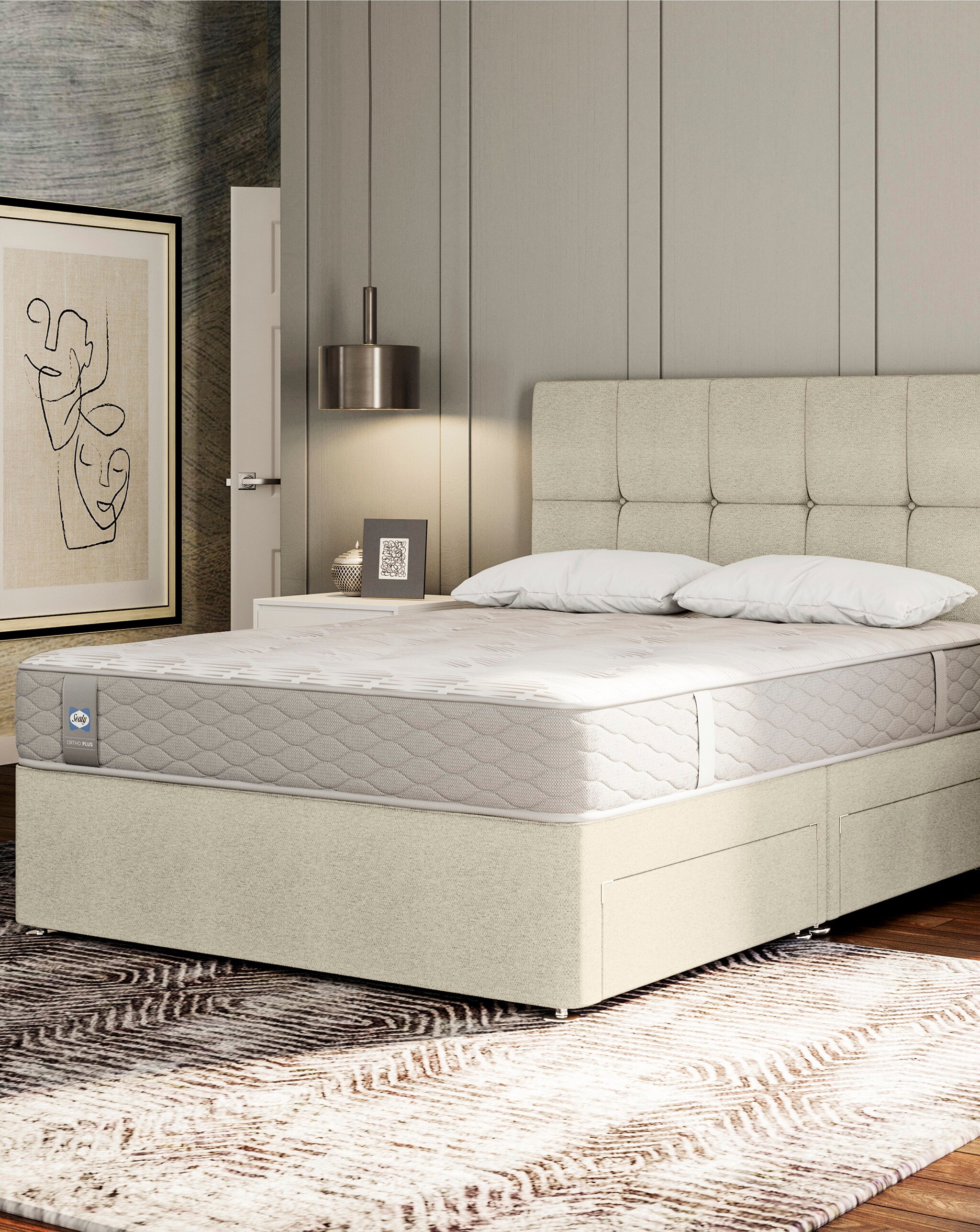
Orthopaedic mattresses
How they’re made: These mattresses are crafted using fibres sourced from nature, such as cotton, wool, mohair, and cashmere. Benefits: Natural fibres are fantastic for temperature regulation and their ability to wick moisture away from the body, helping you stay comfortable throughout the night.
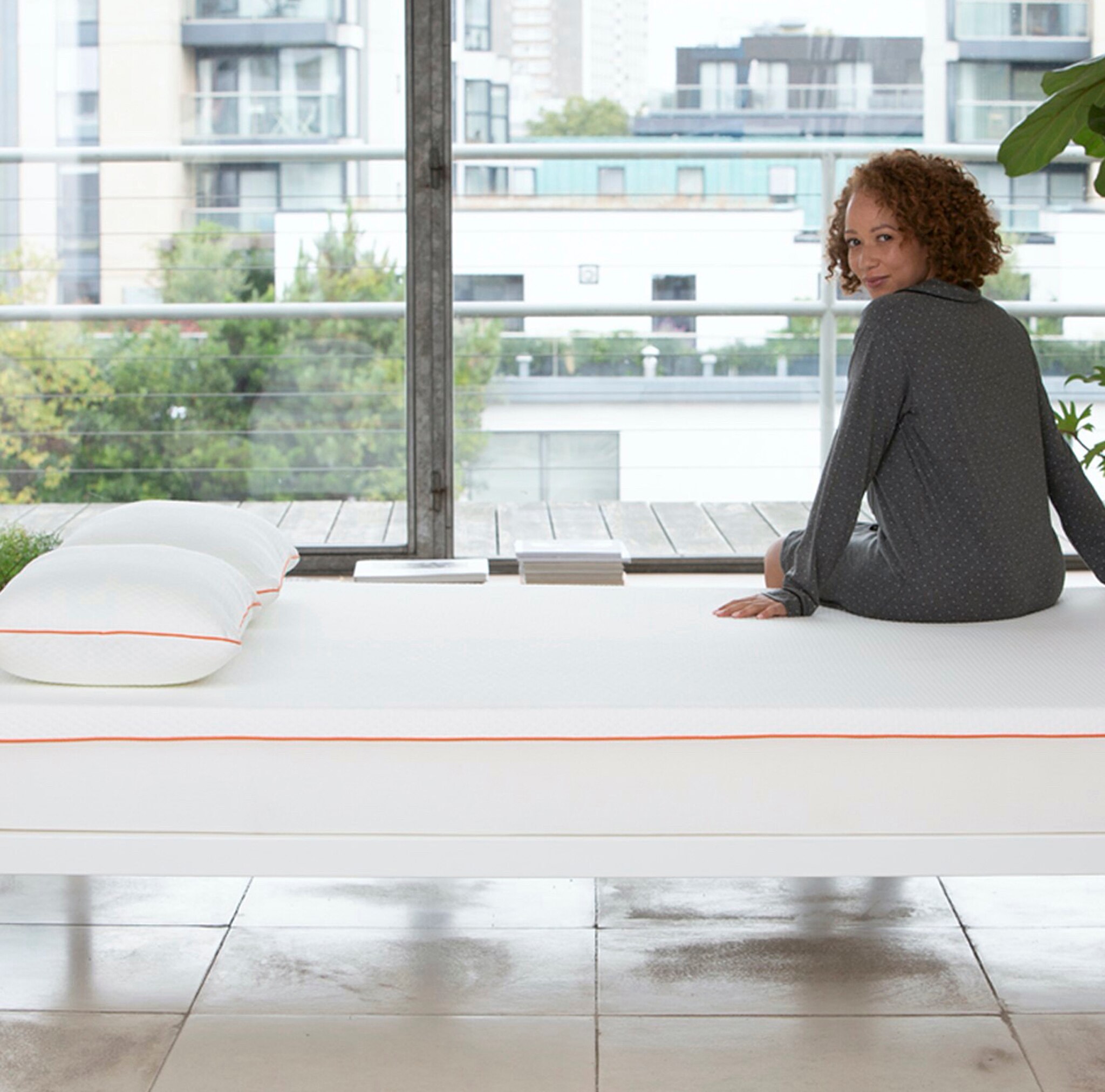
Choosing the right mattress firmness
Selecting the correct mattress firmness, often described as soft, medium, or firm, is crucial for comfortable and supportive sleep. While these terms are common, keep in mind there’s no universal industry standard, so what one brand calls “medium” might feel different from another.
Key factors for mattress firmness
1. Your body weight: Your weight is a primary factor. As a general rule:
-
Heavier individuals often benefit from a firmer mattress. This prevents excessive sinking, which can lead to spinal misalignment.
-
Lighter individuals typically need a softer mattress. A mattress that's too firm for a lighter person might feel uncomfortably hard and not conform enough to their body.
2. Your preferred sleeping position: Your sleeping position also plays a significant role in determining the ideal firmness for you. For example, side sleepers often need a softer mattress to cushion pressure points like hips and shoulders, while back and stomach sleepers may prefer a firmer surface for better spinal alignment.
3. Personal comfort preference: Ultimately, comfort is subjective. Some people simply prefer the feeling of sinking into a softer bed, while others prefer the sturdy support of a firmer mattress.
How to test for the right support
Here's a simple test to gauge if a mattress offers adequate support:
-
Lie on your back on the mattress.
-
Slide the flat of your hand under the arch of your lower back.
-
If there's a large gap, the mattress might be too firm, indicating it's not conforming enough to your natural spinal curve.
-
If you can't slide your hand under at all, the mattress could be too soft, causing you to sink too deeply and misalign your spine.
-
The ideal scenario is when your hand slides in easily while your back still touches the mattress. This indicates the mattress is effectively moulding to your body, maintaining proper spinal alignment, and providing optimal support.
-
Mattress firmness
Medium: This all-round mattress is suitable for all kinds of sleepers. Adjusting to the shape of your body as you sleep, this mattress offers gentle and comfortable support.
Medium/firm: This is a great choice if you tend to sleep on your side. Your shoulders and hips will sink into this style of mattress, whilst the rest of your body remains supported.
Firm: Great for people who sleep mainly on their stomach or back, or those with a history of back problems. A firm mattress offers great back support.
Extra firm: This mattress style offers all the same benefits as an orthopaedic mattress and is designed specifically to offer support to the back, neck, shoulders and hips.
Final recommendation
While these guidelines are helpful, remember that your personal comfort is paramount. There are no strict rules, and what feels best for you is the right choice. We highly recommend testing mattresses in person at your local shop to ensure you make the perfect decision for your sleep needs.
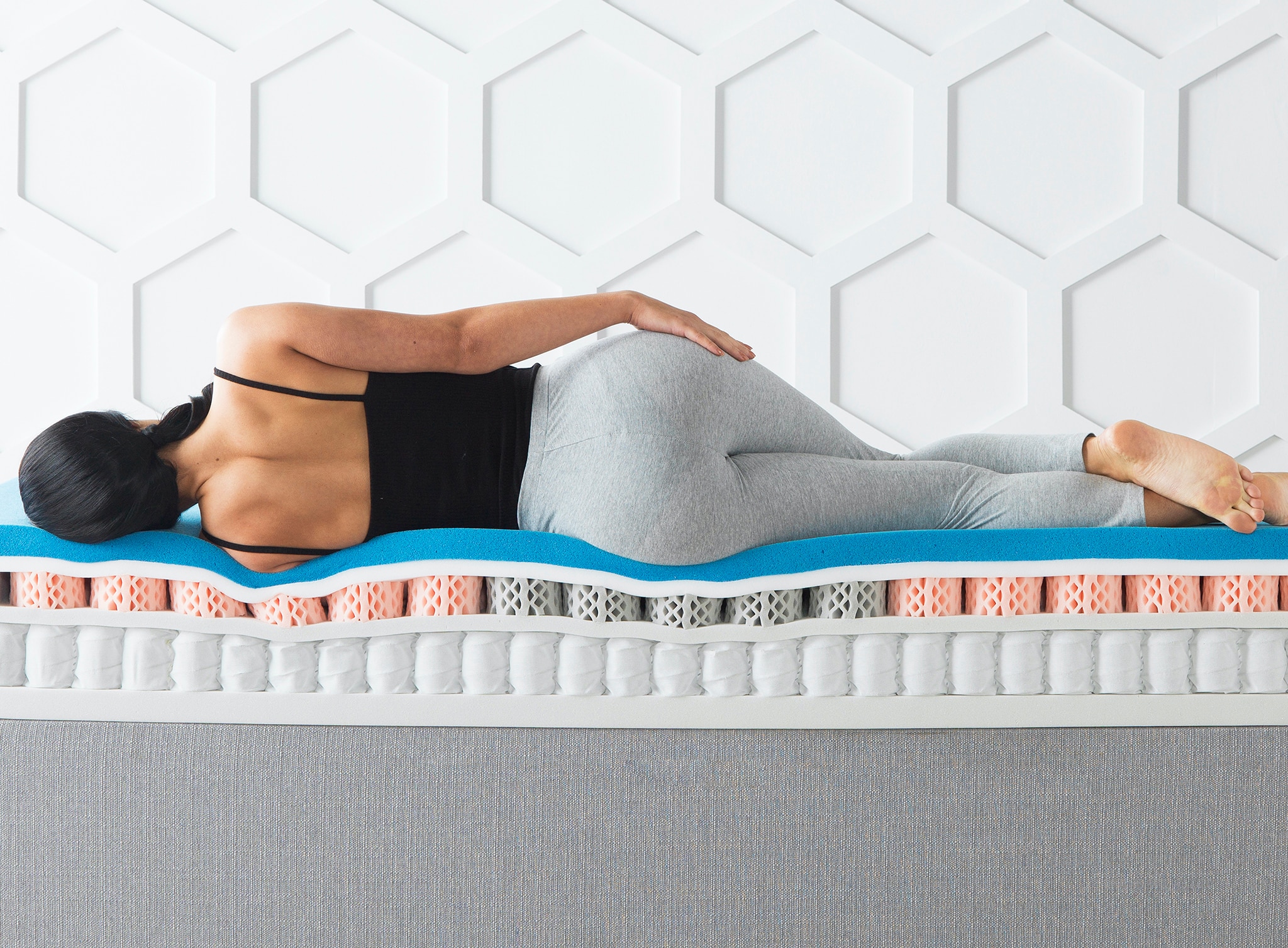
Choosing the best mattress for your sleeping position
Your preferred sleeping position significantly influences the type of mattress that will offer you the most comfort and support. Here's a breakdown to help you decide:
Mattresses for front sleepers
If you sleep on your stomach, you're more susceptible to back pain. To maintain a neutral alignment of your spine and neck, a medium, medium-firm, or firm mattress is generally recommended.
-
Why firmness matters: A mattress that's too soft will cause your torso to sink, leading to an arched spine. One that's too firm won't allow your spine to maintain its natural curve, resulting in discomfort and aches.
-
Recommended types: Memory foam and pocket spring mattresses are excellent choices as they help distribute your weight evenly.
-
Tip: Consider sleeping without a pillow, or with a very flat one, to prevent further arching of your back.
Mattresses for side sleepers
Side sleepers need a mattress that allows their shoulders and hips to sink in comfortably while keeping the spine straight. This helps prevent pressure points on your joints.
-
Recommended firmness: Opt for a softer to medium comfort grade.
-
Why softness matters: A softer mattress will cushion the vulnerable pressure points that sleeping on your side can create (shoulders and hips).
-
Recommended types: Most mattress fillings can suit a side sleeper, as long as the firmness is appropriate.
Mattresses for back sleepers
Back sleepers typically require more support for their back and spine to maintain proper alignment.
-
Recommended firmness: A firmer mattress is usually the best option.
-
Why firmness matters: A firmer tension provides comfort without allowing your back to curve and sink excessively into the mattress.
-
Recommended types: Pocket spring, memory foam, or orthopaedic mattresses are all good choices.
Mattress sizes: finding your perfect fit
Choosing the right mattress size is essential for a comfortable sleep and ensuring it fits well within your bedroom. Here’s a breakdown of common mattress dimensions:
-
Small single: W75 x L190cm
-
Single: W90 x L190cm
-
Small double: W120 x L190cm
-
Double: W135 x L190cm
-
King: W150 x L200cm
-
Super king: W180 x L200cm
-
Emperor: W200 x L202cm
-
Large emperor: W215 x L217cm
When selecting your size, consider not just your sleeping habits but also the dimensions of your room and any existing bed frames.
Tip – It's absolutely crucial to ensure you have enough space to comfortably manoeuvre and install your new mattress. This goes beyond just the bedroom; you need to measure every potential tight spot from your front door all the way to where the mattress will finally rest.
Here's a breakdown of why this is so important and what to consider:
-
Doorways: Measure the width and height of all doors the mattress will pass through, including the front door, any internal doors, and the bedroom door.
-
Hallways: Check the width and any turns or corners in hallways. A long mattress might not be able to navigate tight corners.
-
Stairwells: This is often the trickiest. Measure the width of the stairs, the height of the ceiling above the stairs, and pay close attention to any landings or turns. A mattress may need to be tilted or bent to get around these.
-
Ceiling height: Even in rooms, a high mattress being manoeuvred might brush against light fixtures or low ceilings.
-
Furniture: Consider any existing furniture that cannot be easily moved and might obstruct the path.
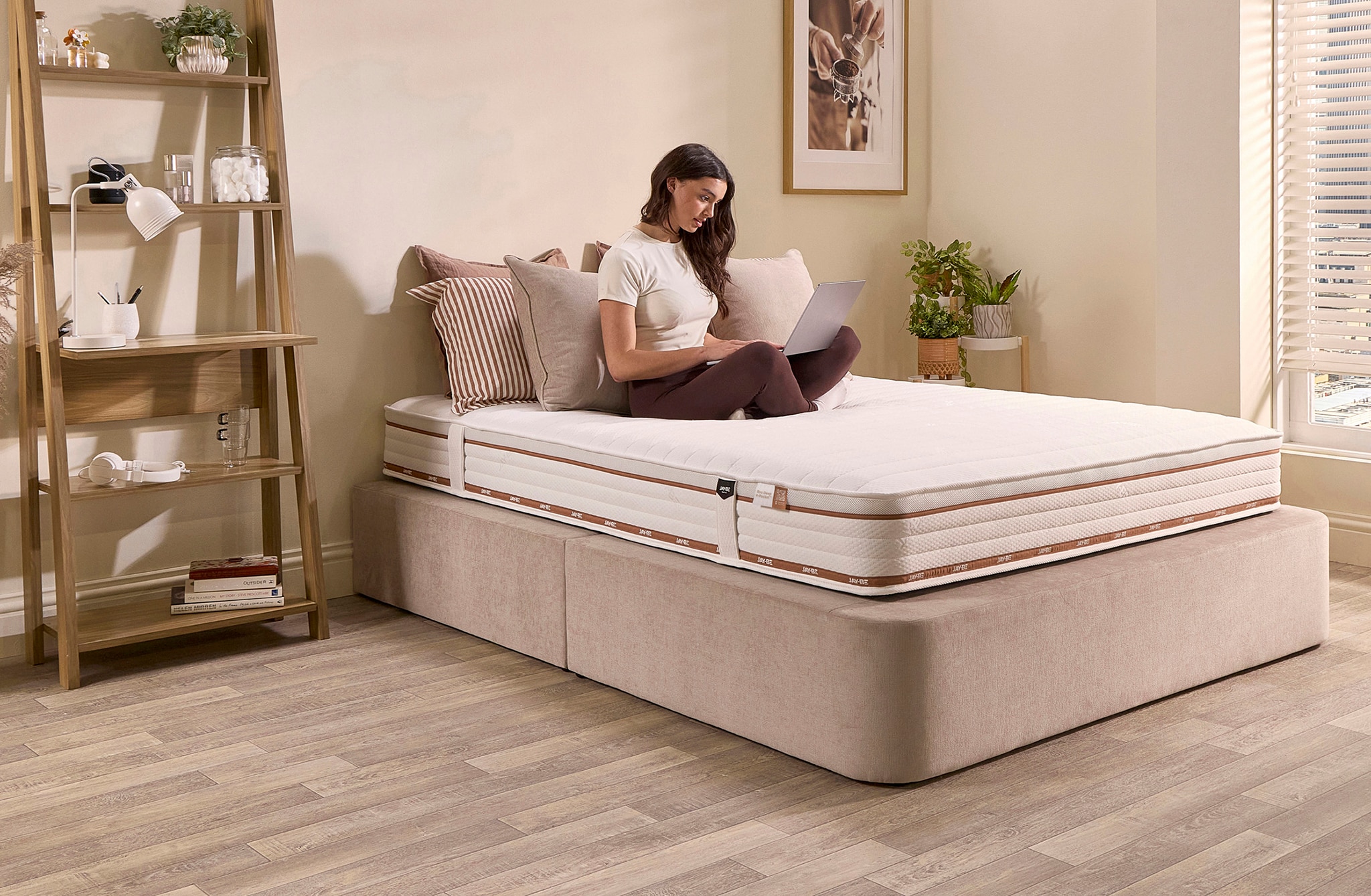
Understanding your bed base: A crucial component for mattress performance
When you're buying a new mattress, it's really important to consider the relationship between your new mattress and your bed base. Think of your bed base as the suspension system for your mattress – a softer suspension will give your mattress a softer feel, and a firmer suspension will make it feel firmer.
Type of bed base
The type of base you have significantly influences the feel of your mattress:
-
Sprung divans and sprung slatted bases generally soften the feel of your mattress.
-
Non-sprung divans or non-sprung slatted bases will tend to firm up the mattress.
Some upholstered bed frames feature smart sprung slatted bases. These are unique because they offer targeted support – the wider slats in the shoulder, lumbar, and feet areas provide enhanced support where you need it most. While this is general guidance, remember that certain specialist mattresses might have specific recommendations for their ideal base, so always check the brand's product pages for more detailed information.
Age & condition of your base
To truly get the most out of your new mattress, your existing bed base needs to be in good condition. Just as a mattress conforms to your body, it will also contour to the base it sits on. If your base is old or worn, it could negatively impact the performance of your new mattress. We highly recommend replacing an old base, as an imperfect one could lead to premature mattress wear and potentially invalidate your guarantee.
If you're using a slatted base, it's crucial that the gap between the slats is no more than 7.5cm. This is an industry standard designed to ensure the best performance from your mattress's springs.
Trying your mattress in-store
When you're testing mattresses in a store, keep in mind that the feel might be different once it's on your own bed base at home. To get the most accurate sense of comfort and support, we recommend asking a partner in-store to place your desired mattress onto a bed base that matches your own. This way, you can be confident in your choice before making your purchase.
Common mattress conundrums: Finding solutions for specific needs
Choosing a mattress can be tricky, especially when you have specific concerns. Here's how to navigate some common challenges:
Dealing with back pain?
For those with back pain, the right mattress can make a significant difference. Generally, firm mattresses are recommended as they provide robust support to keep your spine aligned. Memory foam mattresses can also be highly beneficial, as they contour to your body's shape, helping to relieve pressure points.
- Firmness level: Aim for a medium to firm mattress. Anything too soft will cause you to sink excessively, leading to spinal misalignment. Conversely, a mattress that's too firm might exacerbate existing aches.
An allergy sufferer?
Understanding what triggers your allergies is the first step.
-
Hypoallergenic options: Some mattresses come with hypoallergenic treatments, such as those in the Silentnight Revive & Revive+ ranges.
-
Material choice: Mattresses made from man-made materials are often recommended for allergy sufferers.
-
Additional measures: Using hypoallergenic covers and bedding can also help reduce symptoms. Feel free to spend some time lying on mattresses in-store to see how you react.
Sharing with a partner?
Sharing a bed can bring challenges like disturbance from movement or differing firmness preferences.
-
Minimising disturbance:
-
Pocket spring mattresses are an excellent choice. Each spring works independently, minimising motion transfer so you're less likely to disturb each other.
-
Memory foam mattresses are also great for absorbing movement.
-
Look for mattresses with advanced edge-to-edge support, such as Sealy Posturepedic, to maximise the usable sleep surface.
-
-
Differing firmness needs: Consider a split tension or zip & link mattress from ranges like our British Natural & Ultimate Natural Collection. These allow one side of the mattress to have a different firmness level (e.g., regular on one side, firmer on the other) to suit individual preferences.
-
Size matters: Generally, the bigger the mattress, the better your shared sleep experience will be, as it provides more personal space.
Prone to being hot at night?
If you tend to overheat during the night, certain mattress materials and constructions can help regulate your temperature:
-
Natural materials: Options like wool, cotton, or cashmere are ideal as they promote airflow and effectively wick away moisture, helping to regulate body temperature.
-
Pocket springs: The open structure of pocket spring mattresses allows for good air circulation, making them a cooler choice.
-
Breathable synthetics: Highly breathable synthetic materials, such as polyester (found in our Classic Collection), can also help.
-
Cooling technology: Mattresses containing Geltex offer enhanced breathability compared to traditional memory foam, providing a cooler sleep surface.
-
Accessories: To further enhance comfort, consider mattress protectors with natural fillings (like wool or cotton) or those that incorporate specific cooling technology.
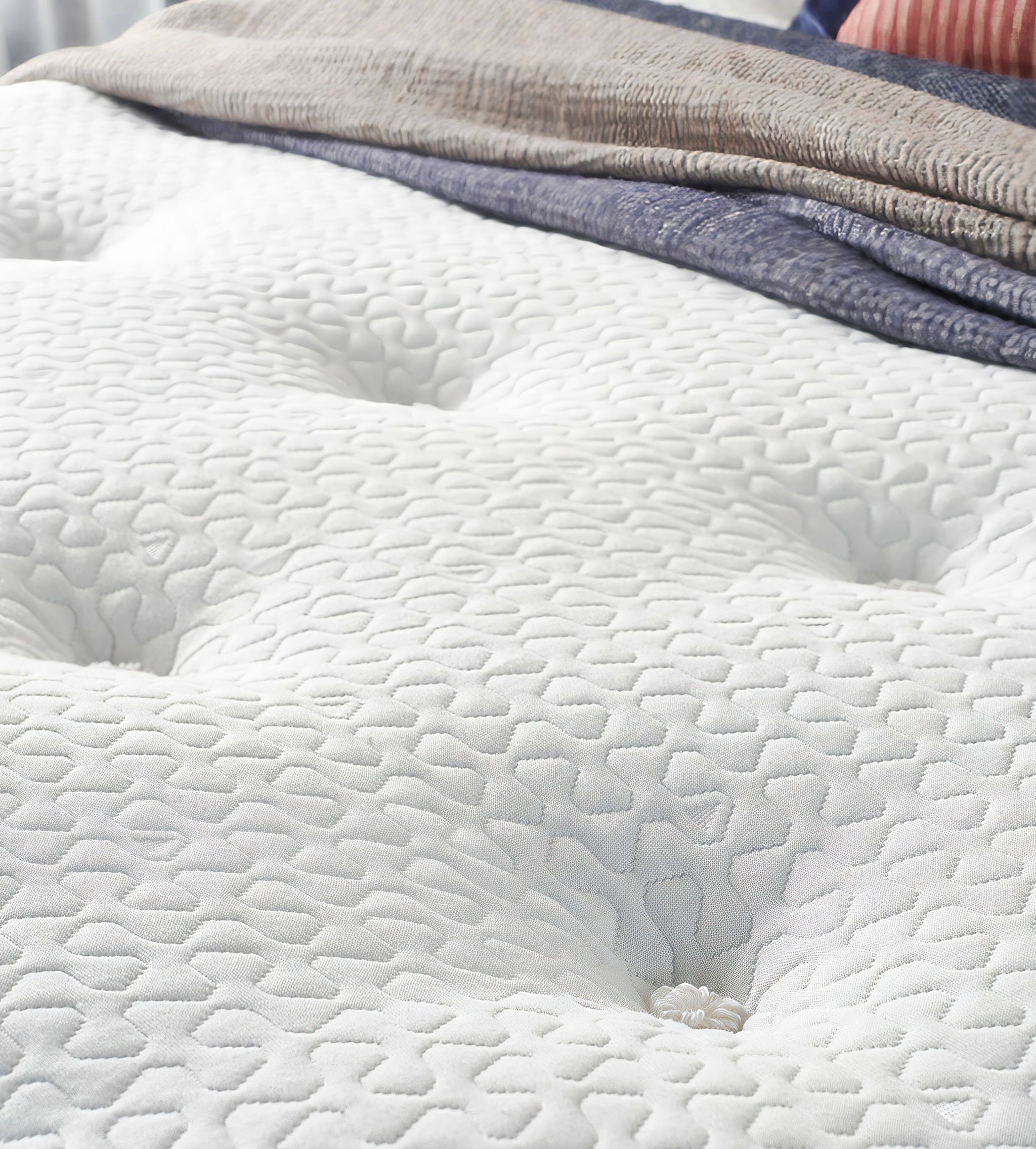
Mattress care: Keeping your mattress in top condition
Proper care is key to extending the life of your mattress and maintaining its comfort. Here's what you need to know:
Expect body impressions
It's completely normal to see body impressions on your mattress, especially in the areas where you sleep most often. This settling or dipping of the fillings is actually a positive sign! It means the generous comfort materials are conforming to your unique body shape, weight, and sleeping patterns, providing personalised support. These impressions do not affect the overall support your mattress provides.
Turn or no-turn?
To minimise body impressions and ensure even wear, we recommend following specific rotating and turning instructions. Check the label at the foot end of your mattress to see which type you have:
-
Non-turn/rotate only/turn free/one-sided/pillow top mattress: For these, you generally only need to rotate your mattress regularly during the first few months. After that, aim for approximately twice a year or monthly rotations.
-
Turnable/turn with the seasons/dual sleeping surface mattress: These mattresses require both turning and rotating. We suggest doing this every two weeks for the first few months, then about twice a year or monthly thereafter. A good way to remember is when the clocks change in spring and autumn.
General care tips
-
Cleaning: Every few months, use a soft brush to remove dust and fluff from your mattress. Never use a vacuum cleaner, even with a mattress attachment, as this can displace natural fillings and may void your guarantee.
-
Heat sensitivity: If your mattress contains memory foam, be aware that heat from electric blankets or hot water bottles can temporarily change its feel.
Handling your mattress
-
Lifting: Always take care when lifting your mattress to avoid injury to yourself or damage to the mattress.
-
Seeking sssistance: Get help from another person when moving or rotating your mattress. Use the handles for rotation, but avoid using them for lengthy carrying.
-
Sitting on the edge: To maintain the consistent shape and support around the perimeter, particularly for natural mattresses, try not to sit on the edge for extended periods.
-
No jumping: Please do not stand on your bed or let children use it as a trampoline. This can damage the springs and the base.
-
Avoid folding/rolling: Never fold or roll your mattress, as this can cause irreversible damage.
Like what you’ve just read?
Follow JD Williams on Google to see more of our content in your results. No sign-up required—just great content directly in your feed, saving your inbox for the big updates. You can change your preferences with Google at any time.
 Follow us on Google