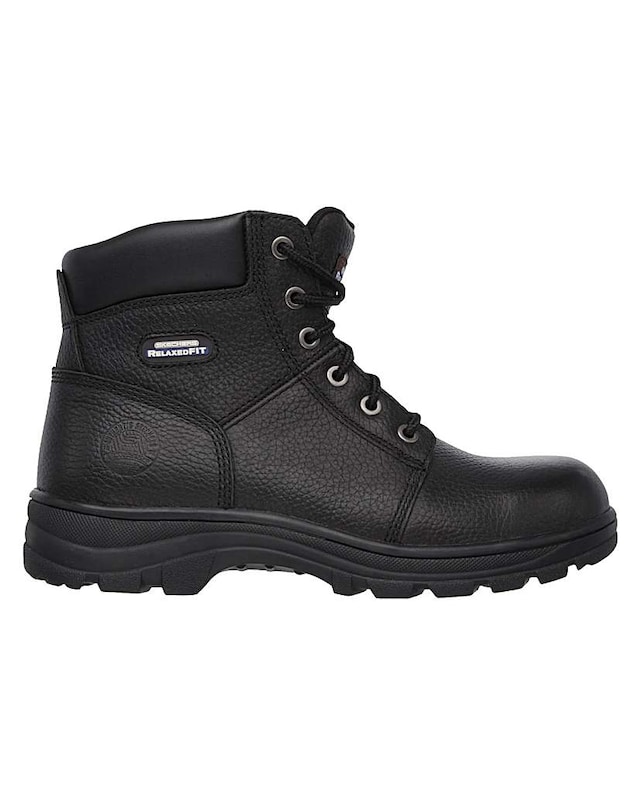
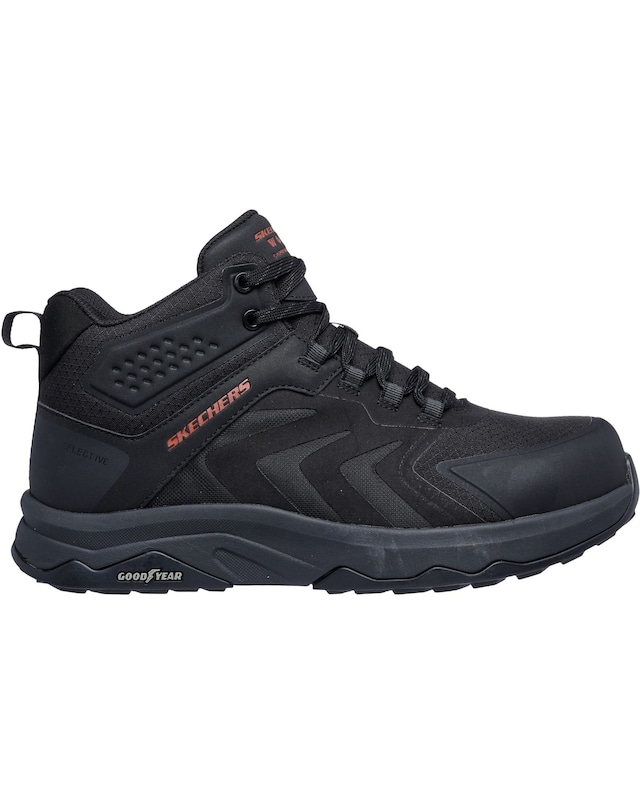
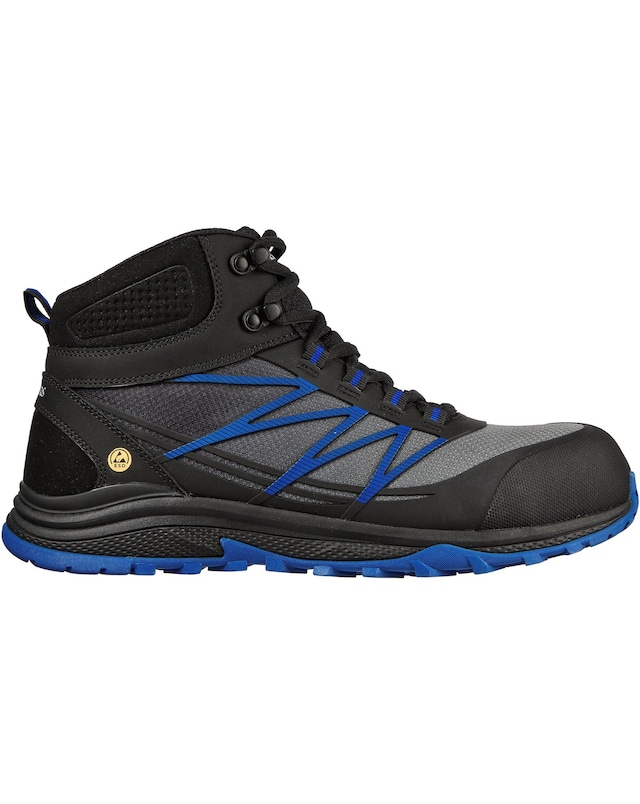
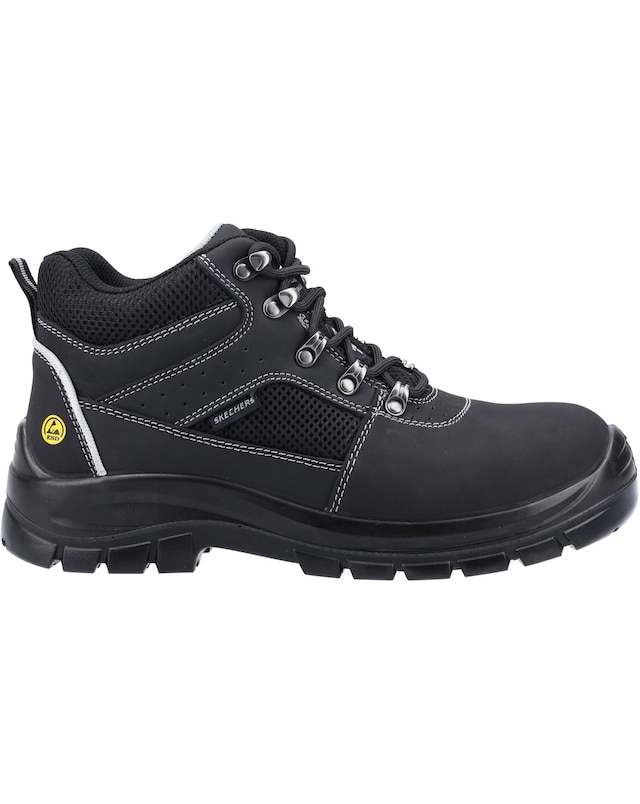
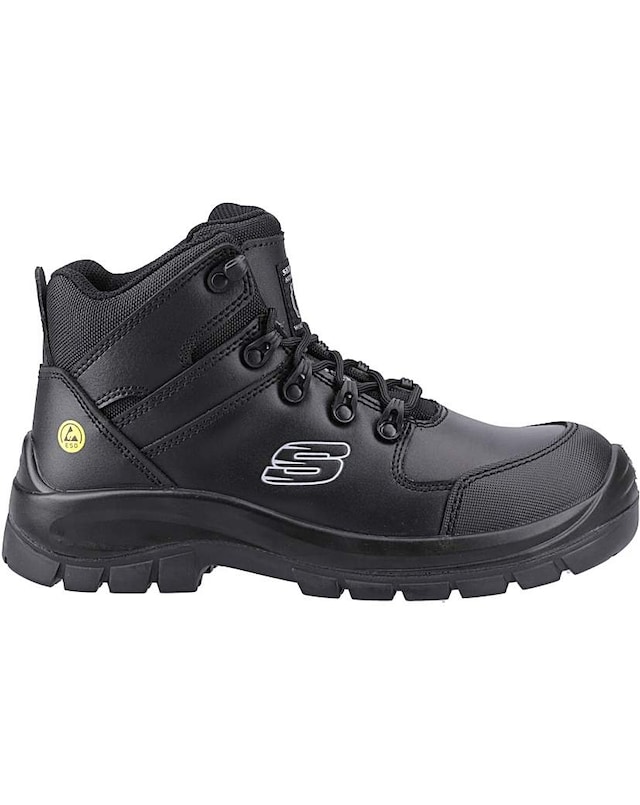
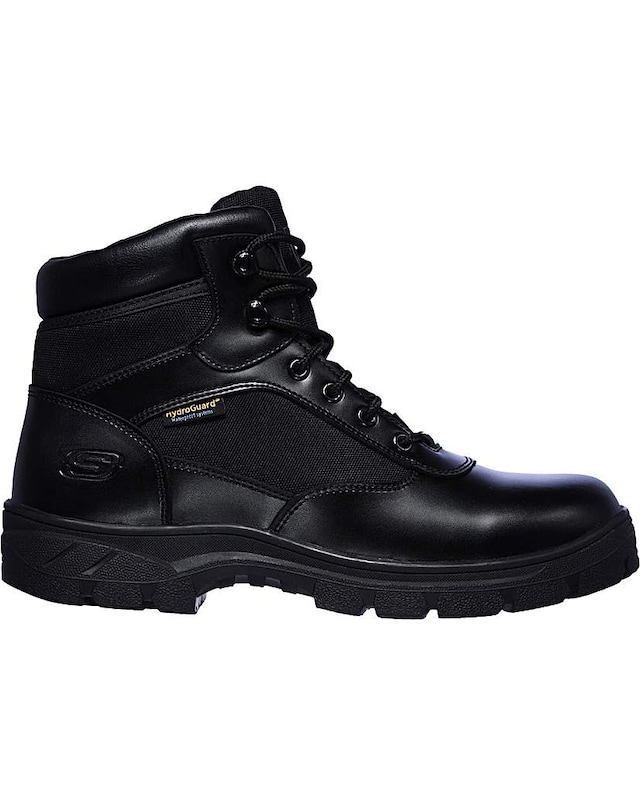
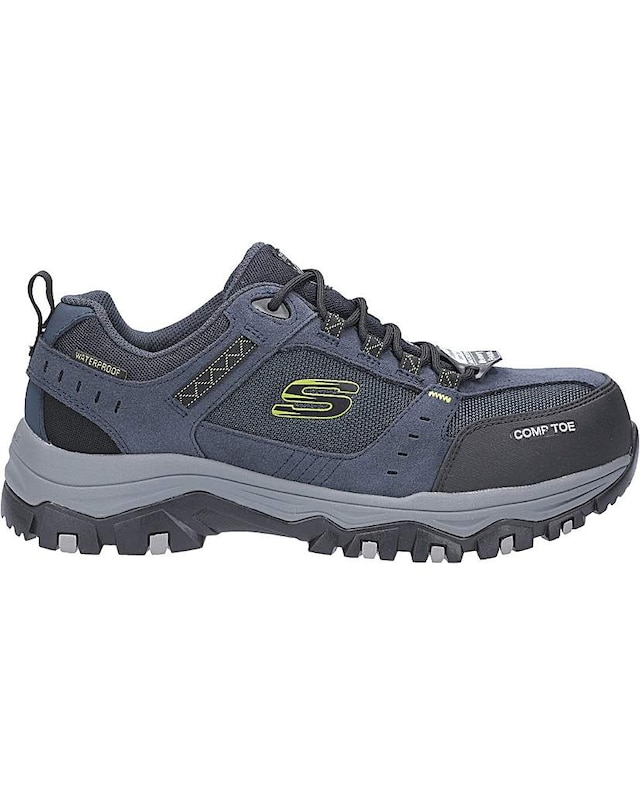
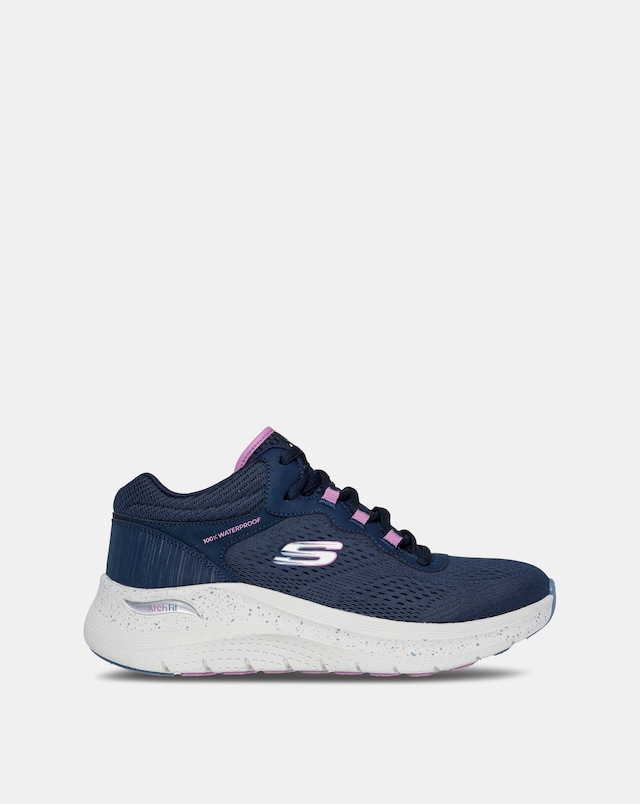
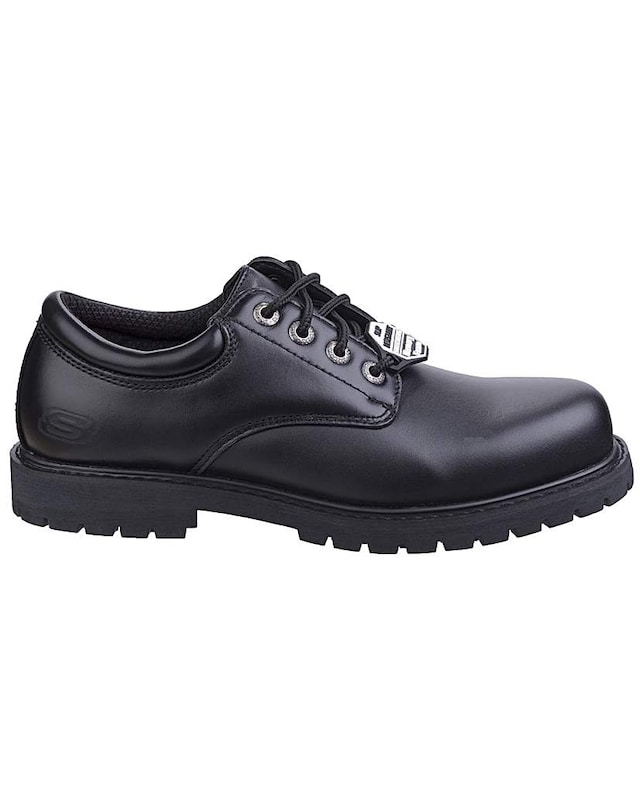
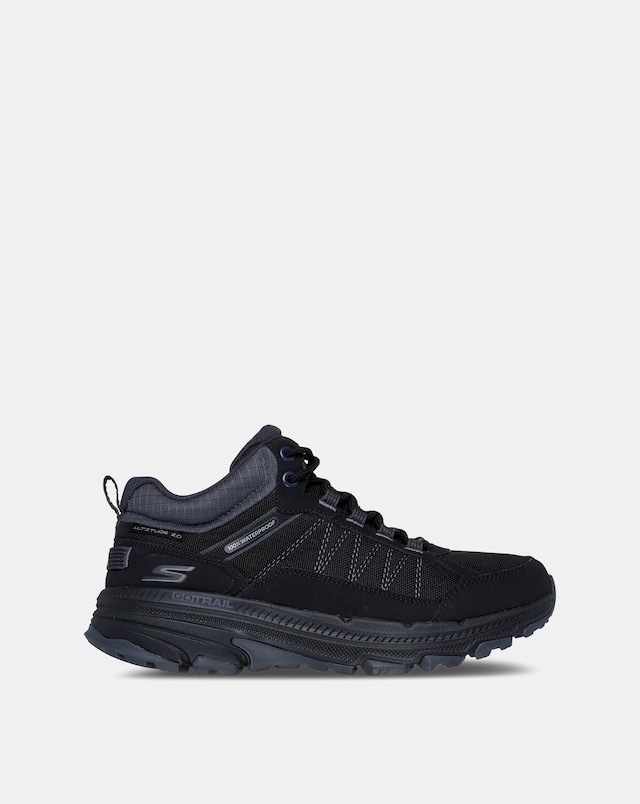
Discover the perfect blend of comfort, durability, and safety with our collection of work boots designed for demanding environments. Engineered to provide excellent support, these boots feature slip-resistant soles, reinforced toe protection, and cushioned insoles for all-day wear. Whether you're on a construction site or in a warehouse, our work boots are built to withstand the rigours of your job while ensuring your feet remain comfortable and protected. With a variety of styles and features, you can find the ideal pair that meets your specific work requirements, making them an essential addition to your workwear wardrobe.
What are the key features of work boots?
- Work boots typically feature slip-resistant soles, reinforced toe caps, and waterproof materials to ensure safety and durability. They often include cushioned insoles for comfort during long hours of wear. Many designs also offer additional support for the ankles to prevent injuries.
Are work boots necessary for all jobs?
- While not every job requires work boots, they are essential for roles that involve heavy lifting, exposure to hazardous materials, or working in slippery conditions. They provide necessary protection and support that regular footwear cannot offer. It's important to assess the specific safety requirements of your job.
How do I choose the right work boots?
- Choosing the right work boots involves considering the specific hazards of your job, the level of comfort you need, and the fit of the boot. Look for features such as waterproofing, insulation, and slip resistance based on your work environment. Trying on different styles can help you find the best fit for your needs.
Can work boots be worn casually?
- Yes, many work boots are designed with a stylish appearance that allows them to be worn casually. Their comfort and durability make them suitable for everyday wear, especially in outdoor or rugged settings. However, ensure they meet your comfort needs for casual use.
How often should work boots be replaced?
- Work boots should be replaced when they show signs of significant wear, such as worn-out soles, cracks, or loss of support. Regular inspections can help determine when it's time for a new pair. Depending on usage, this could be every 6 to 12 months.