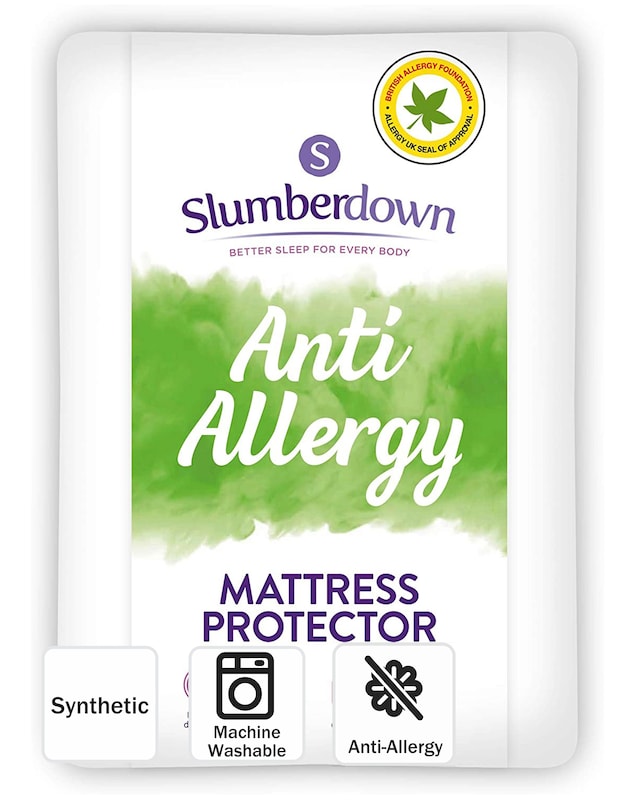
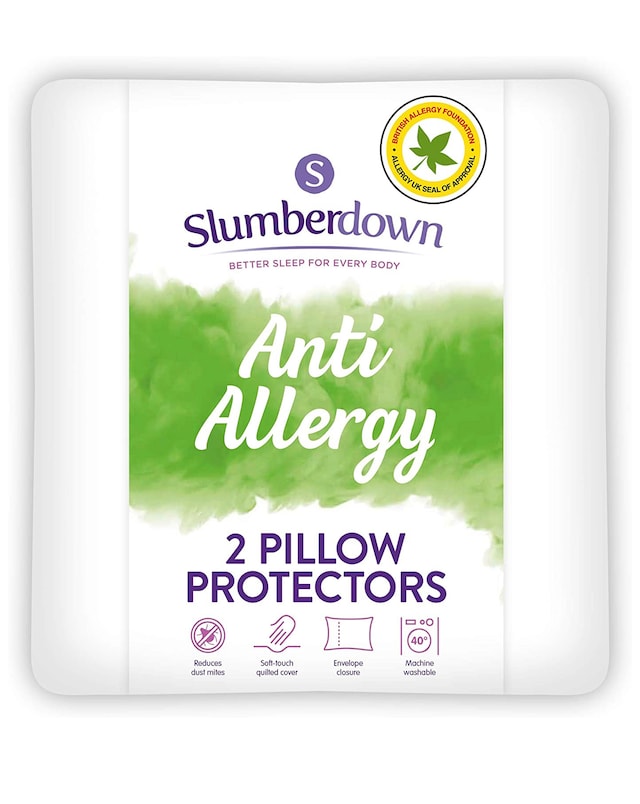
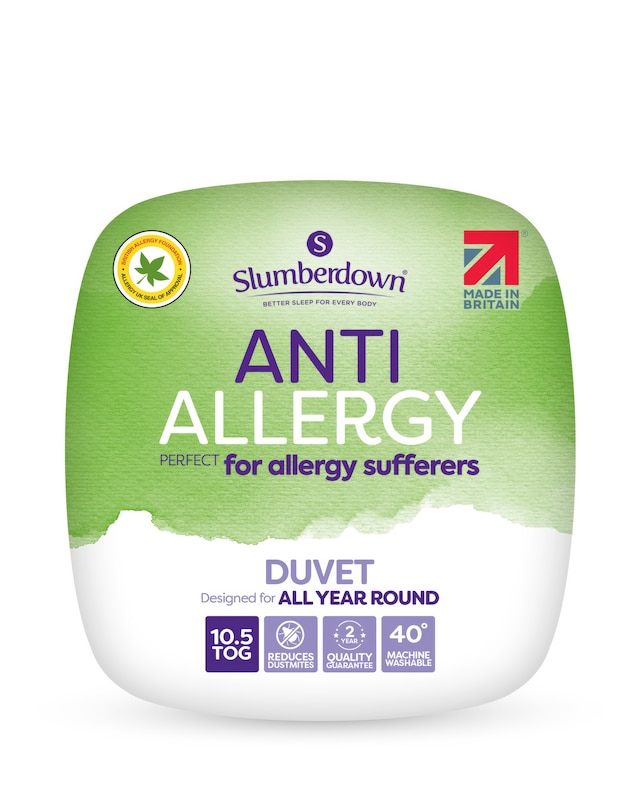
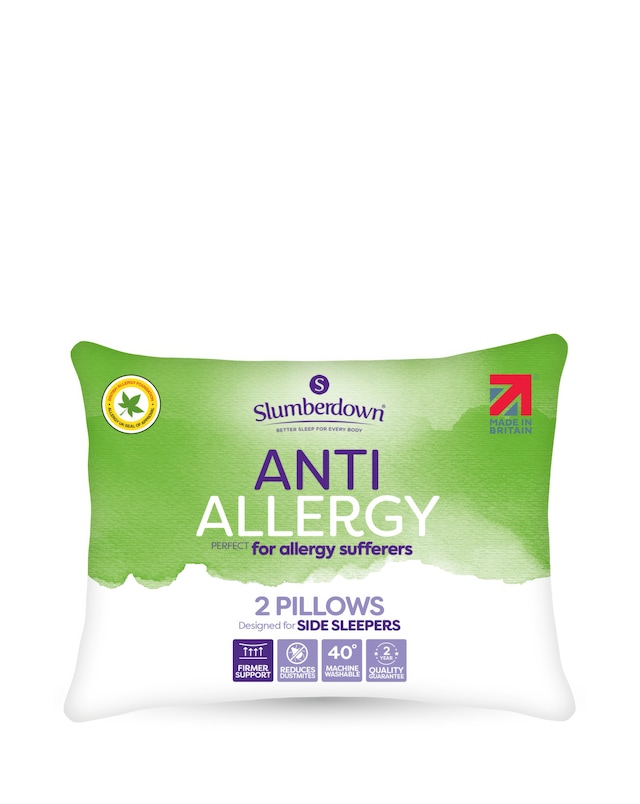
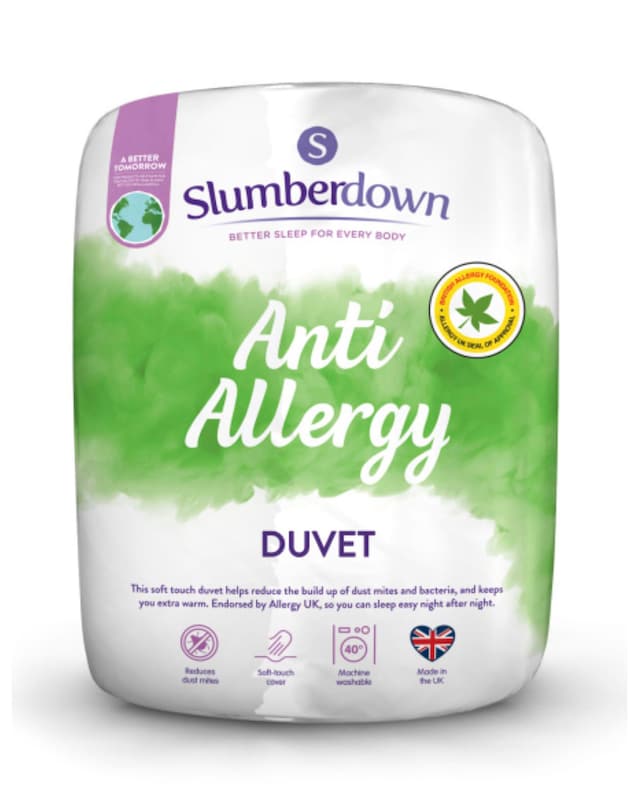
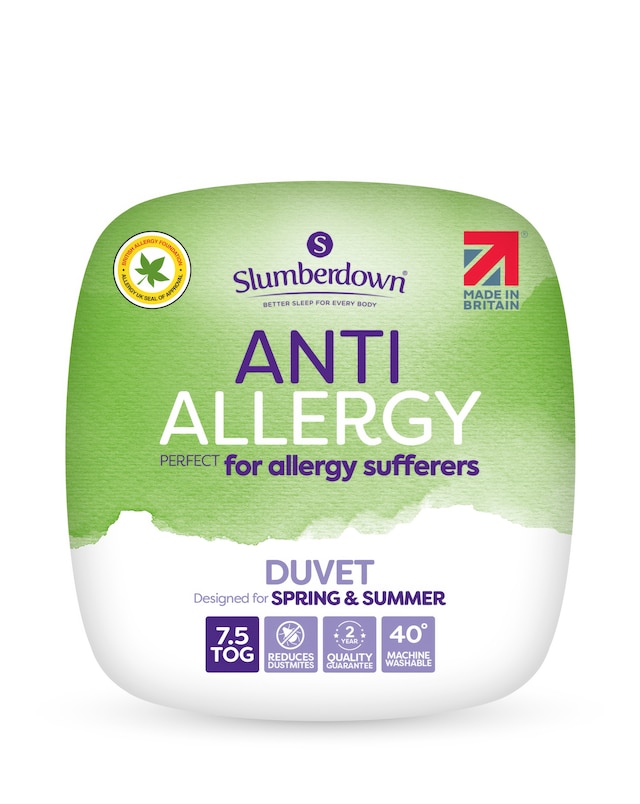
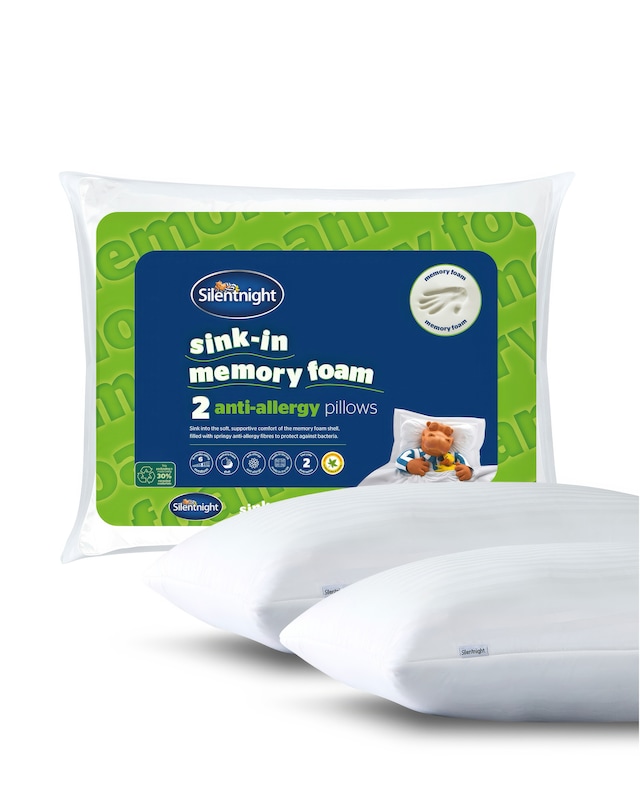
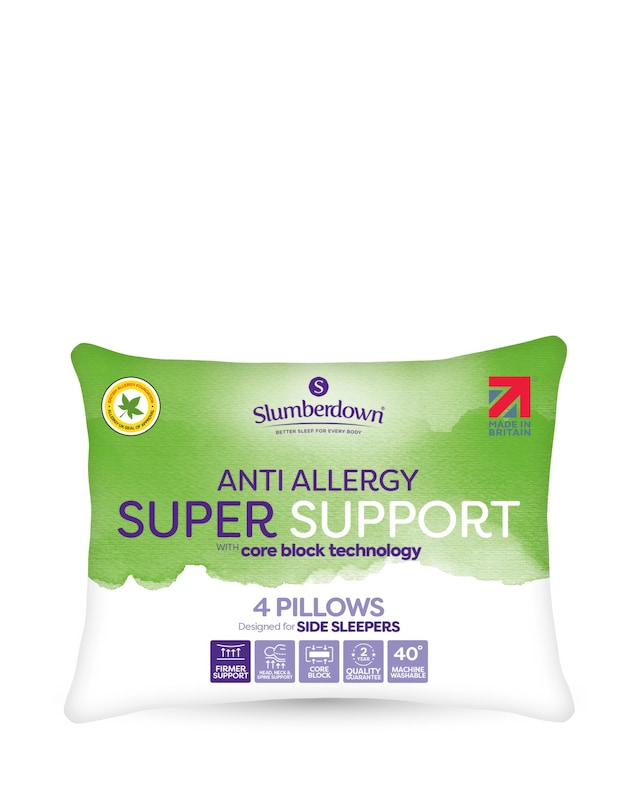
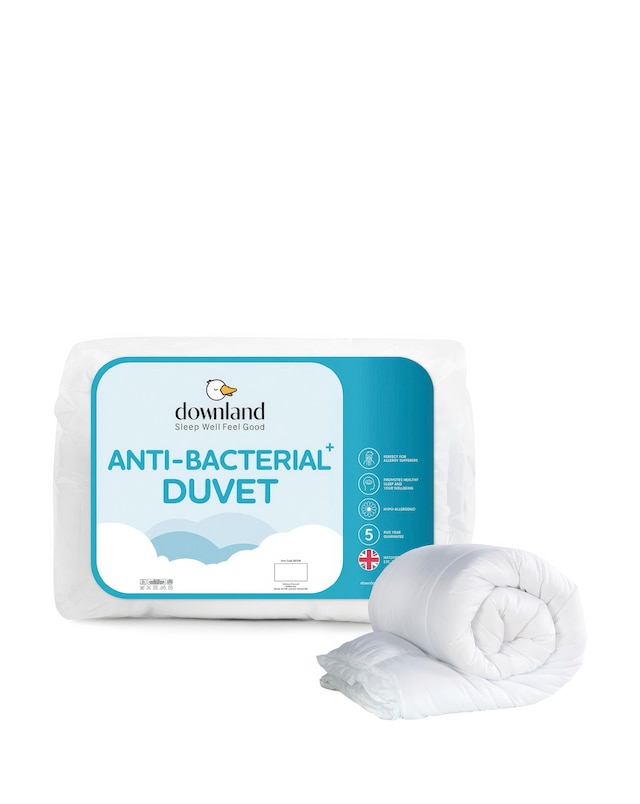
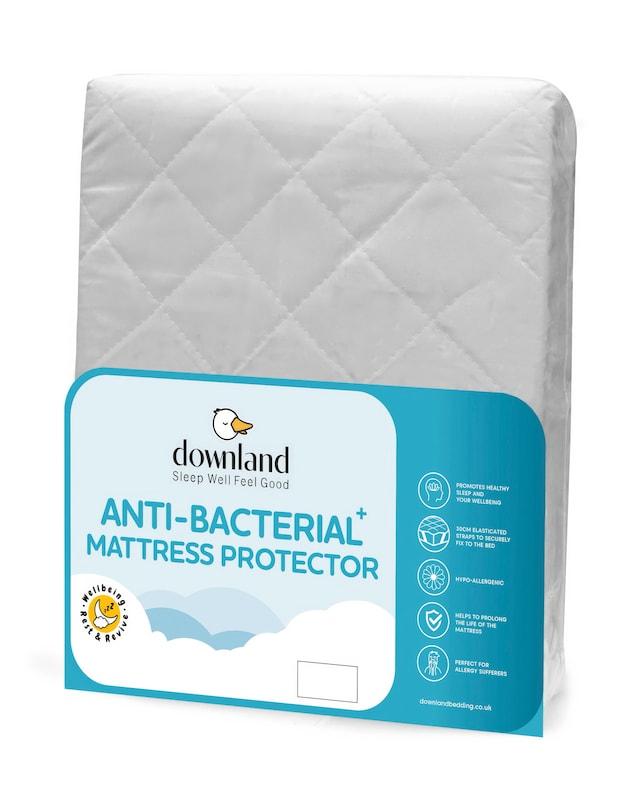
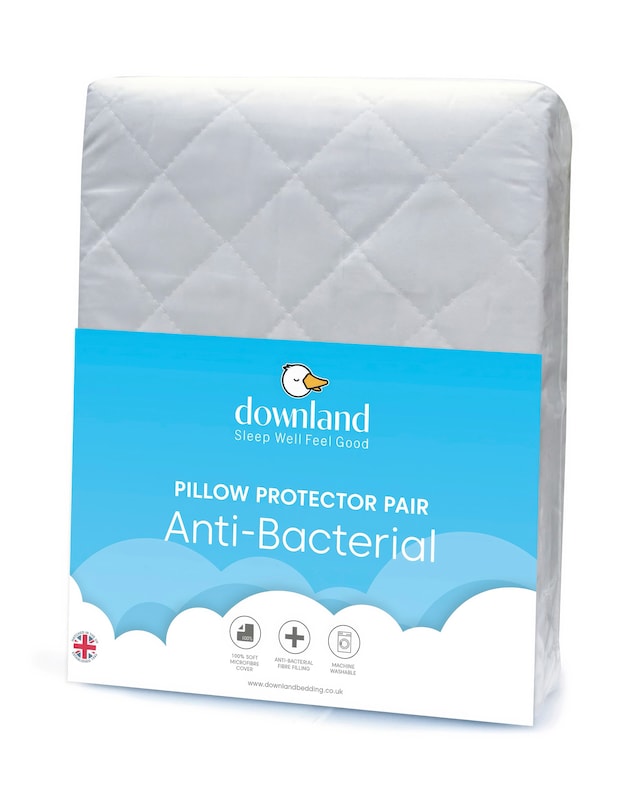
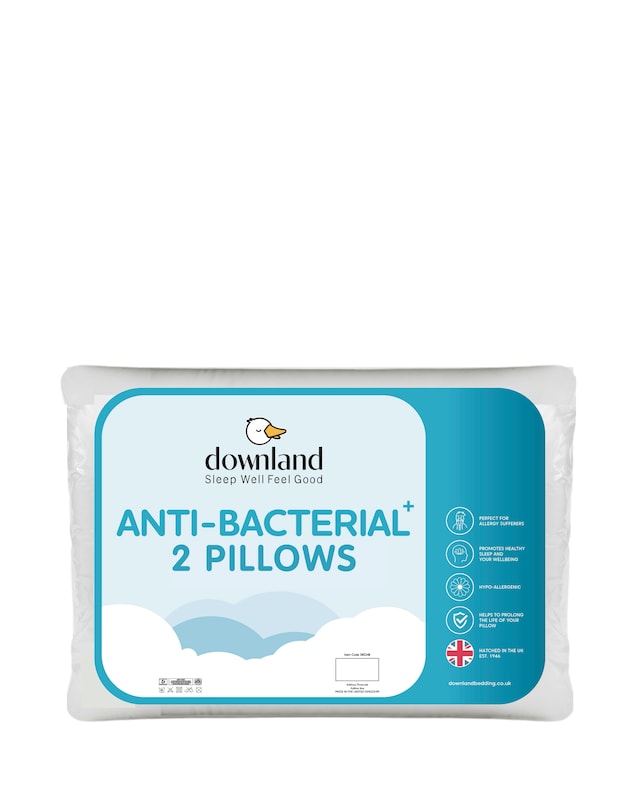
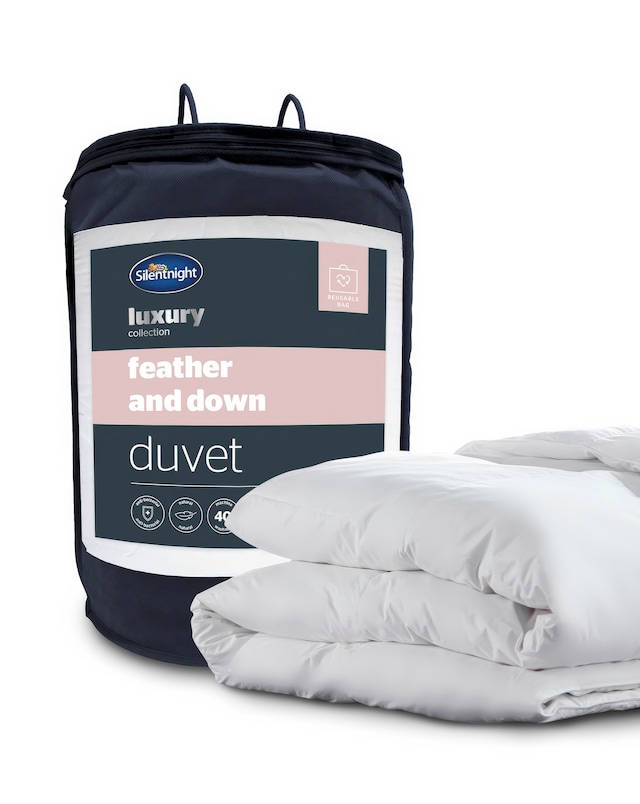
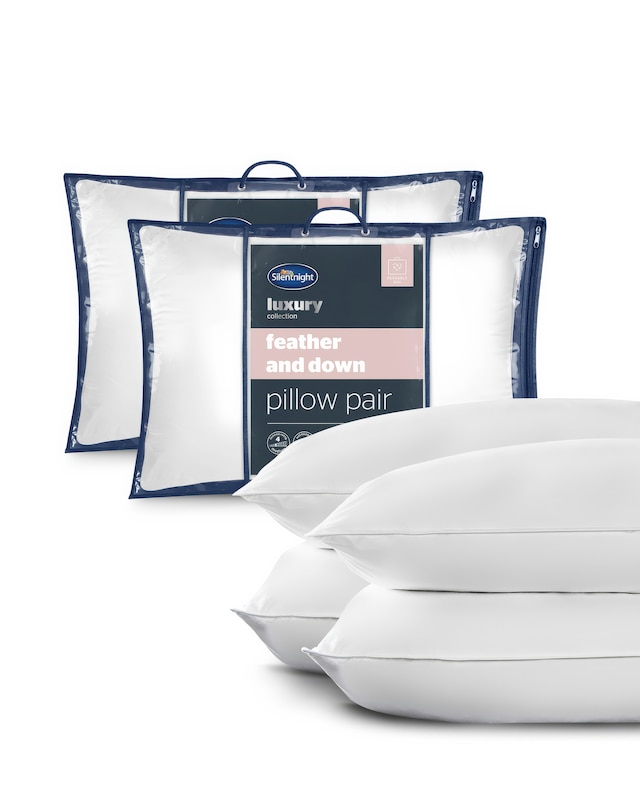
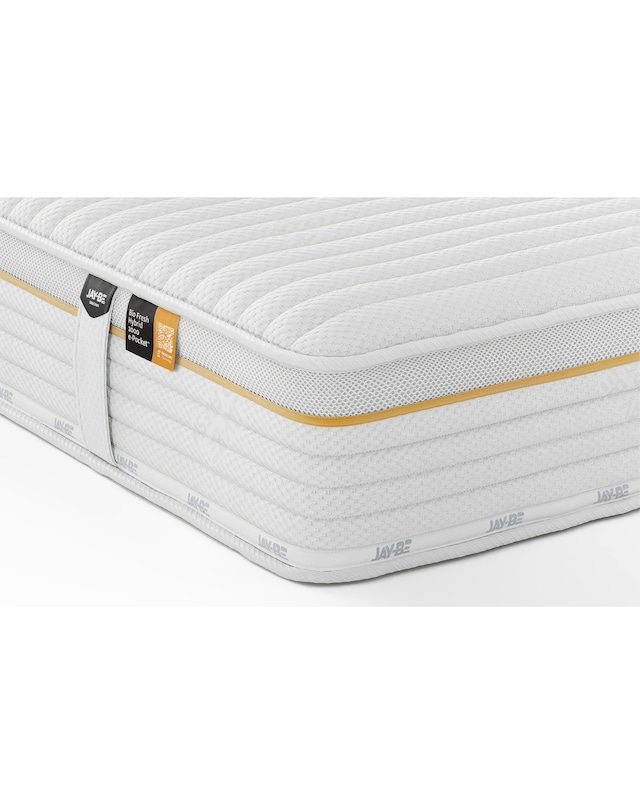
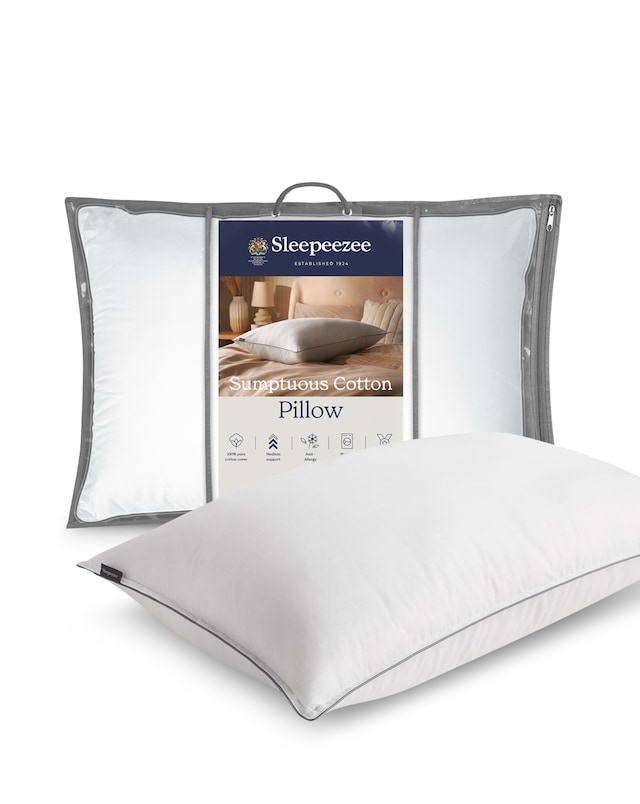
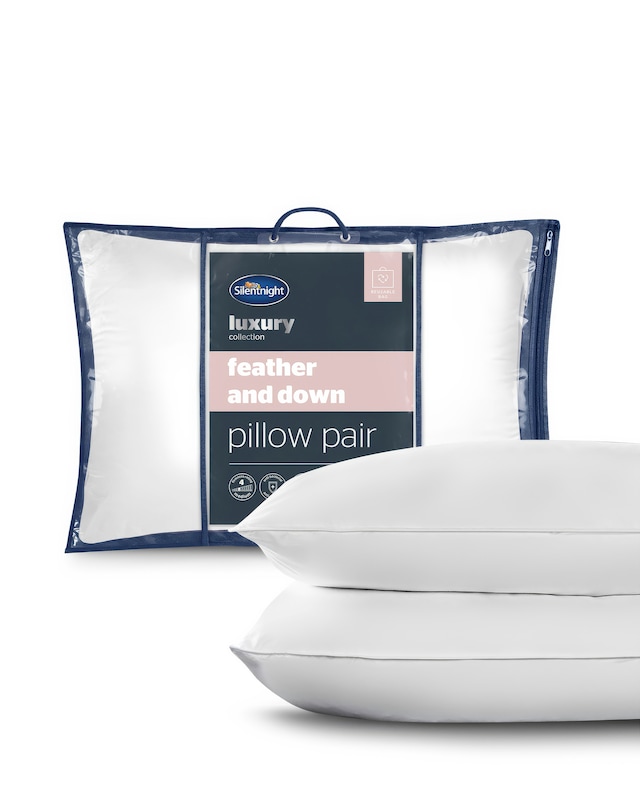
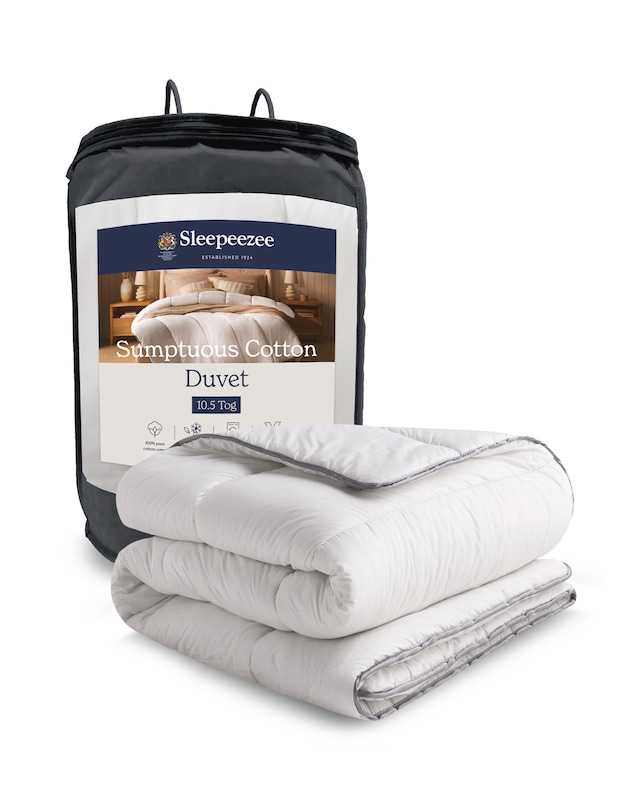
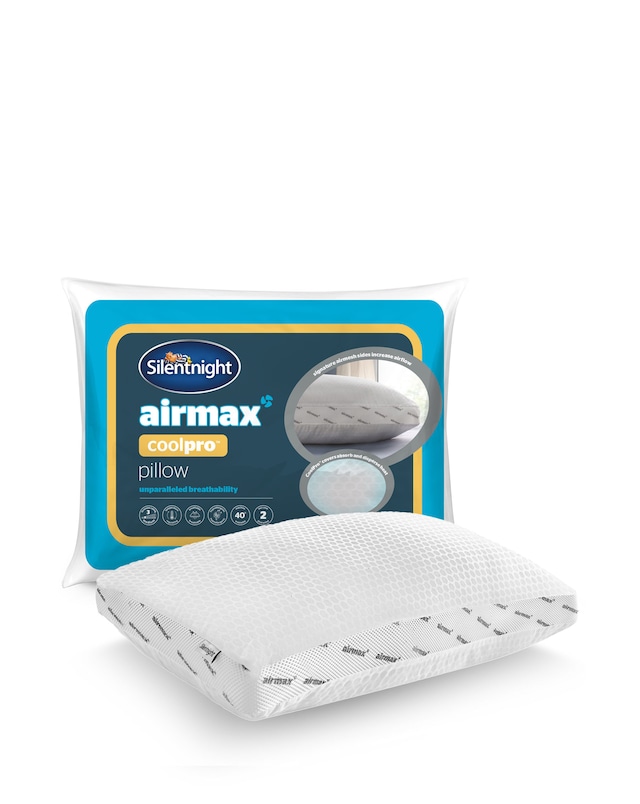
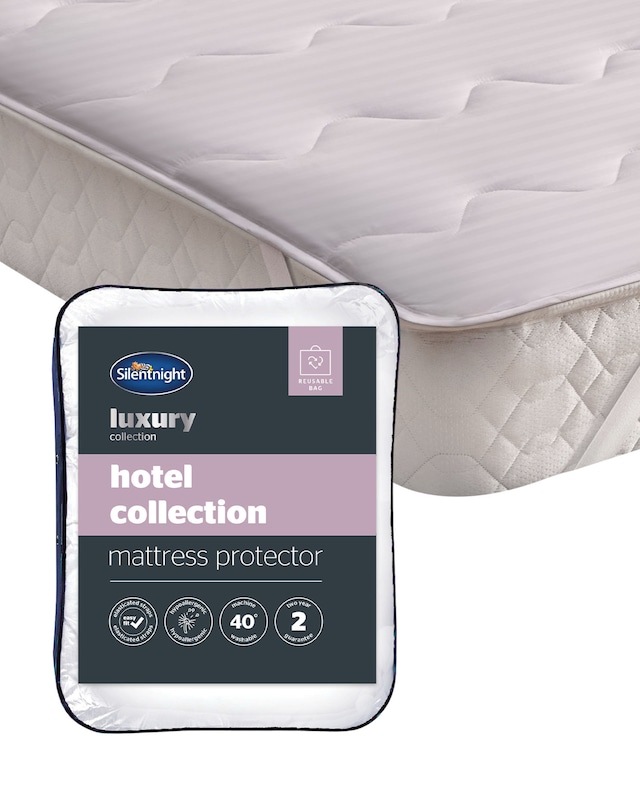
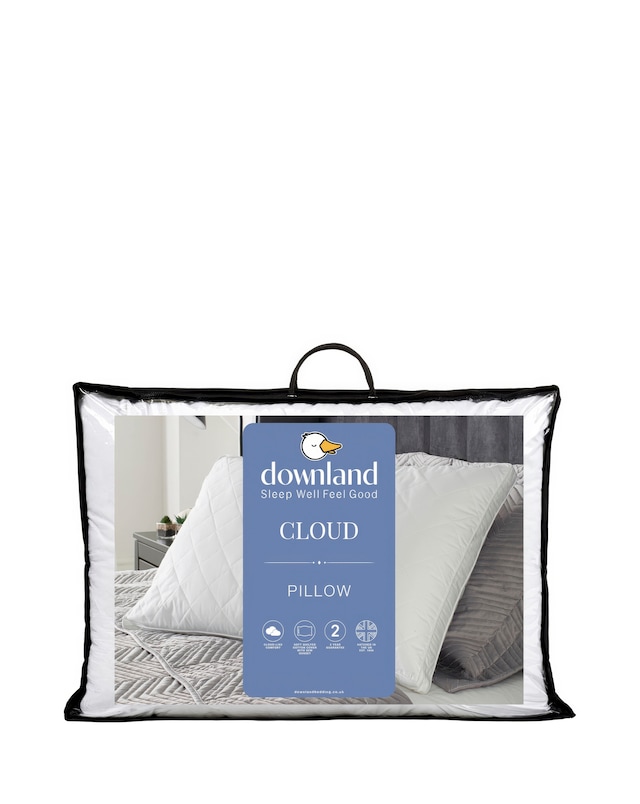
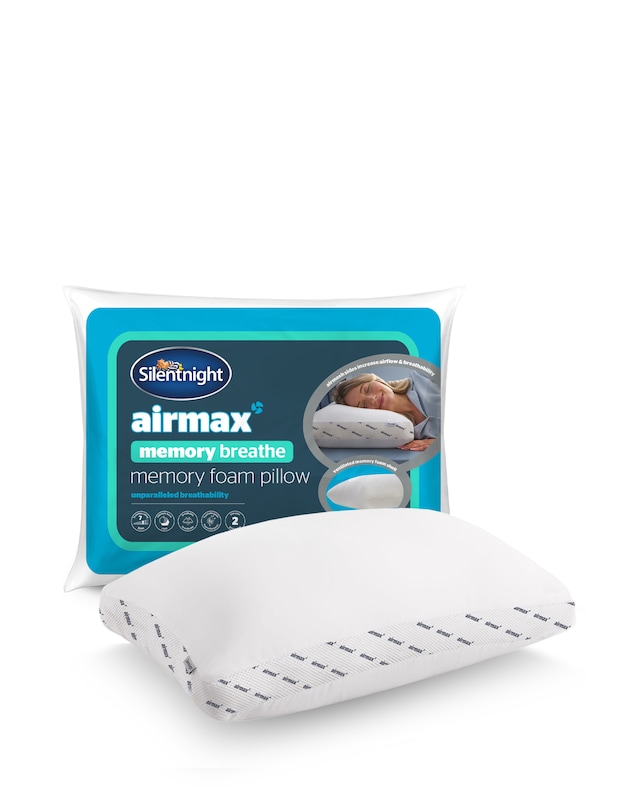
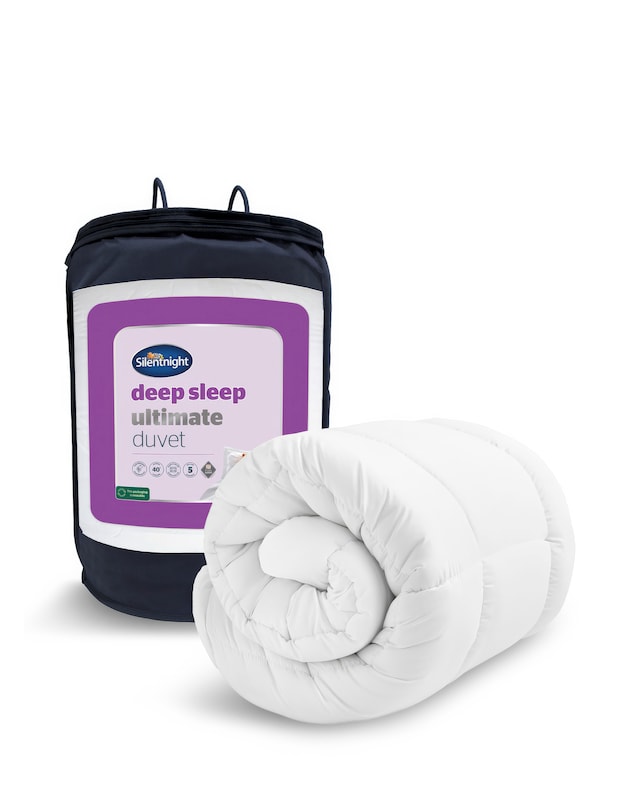
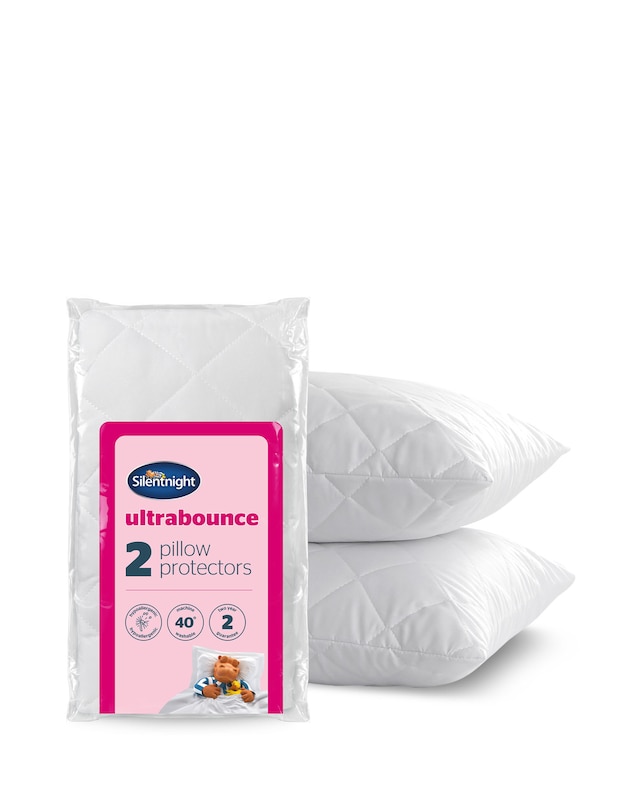
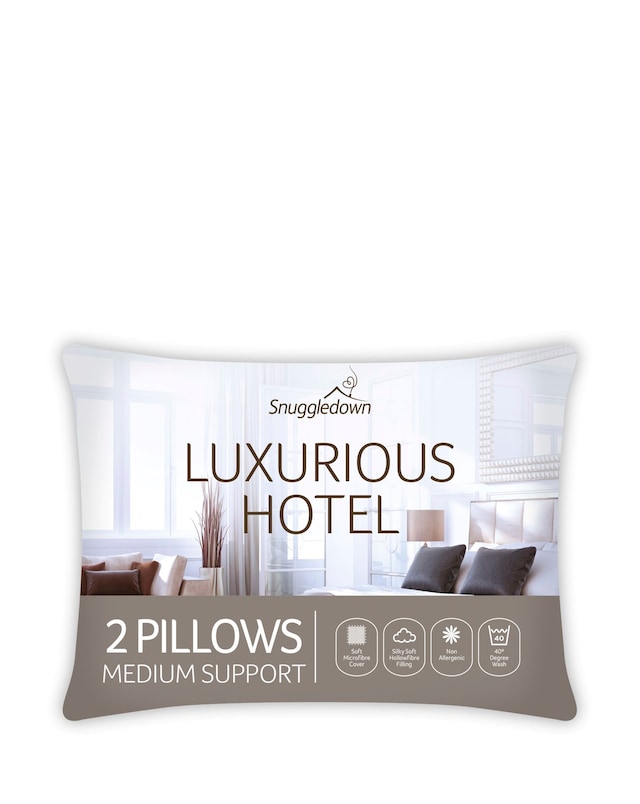
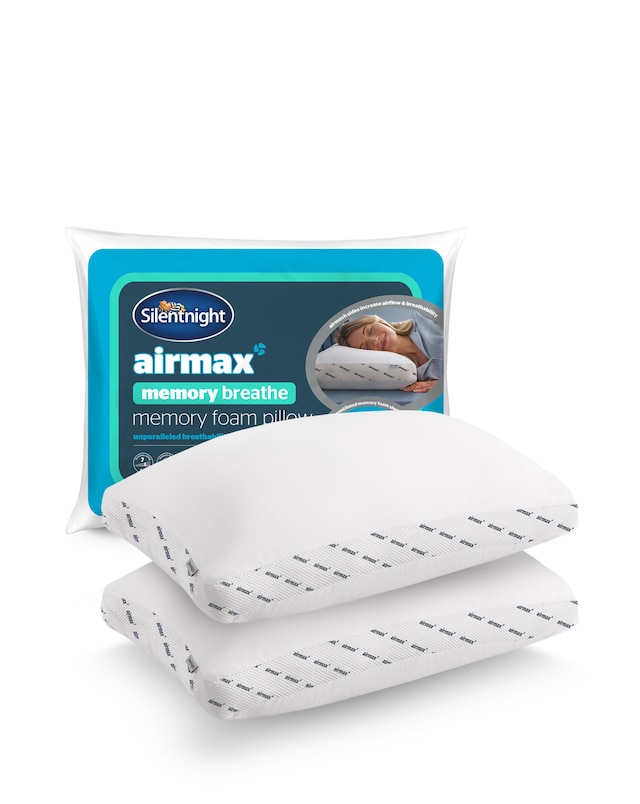
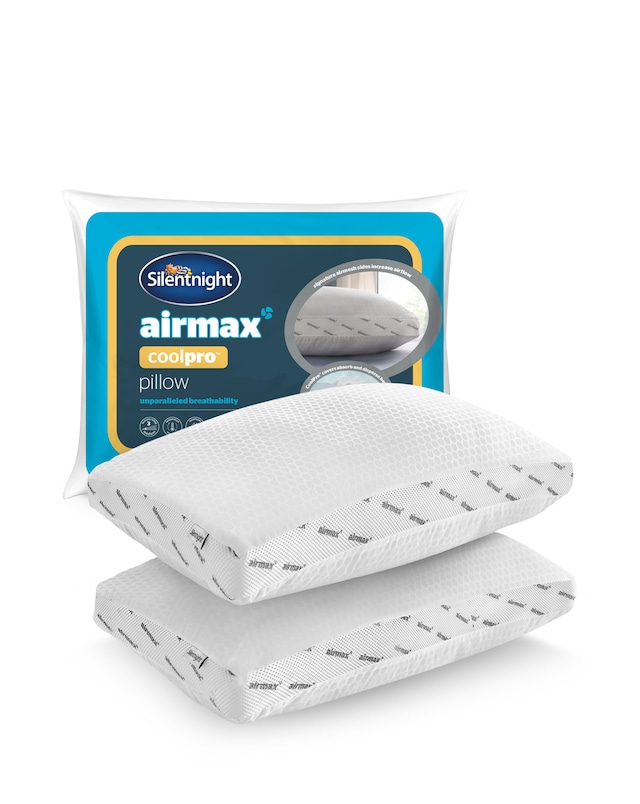
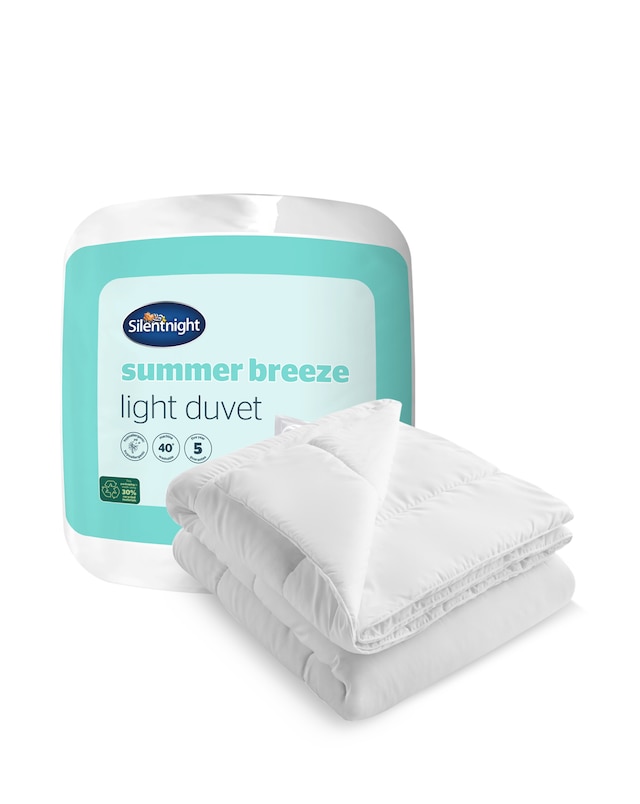
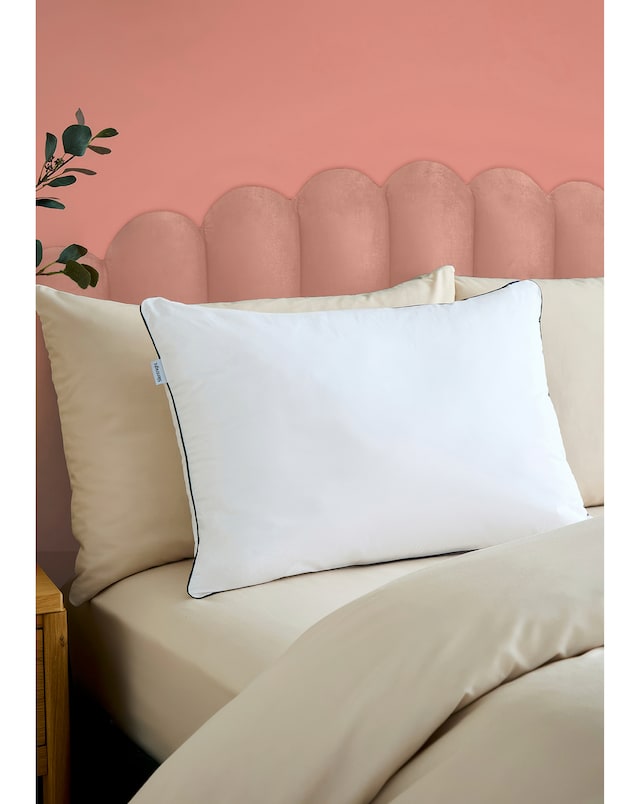
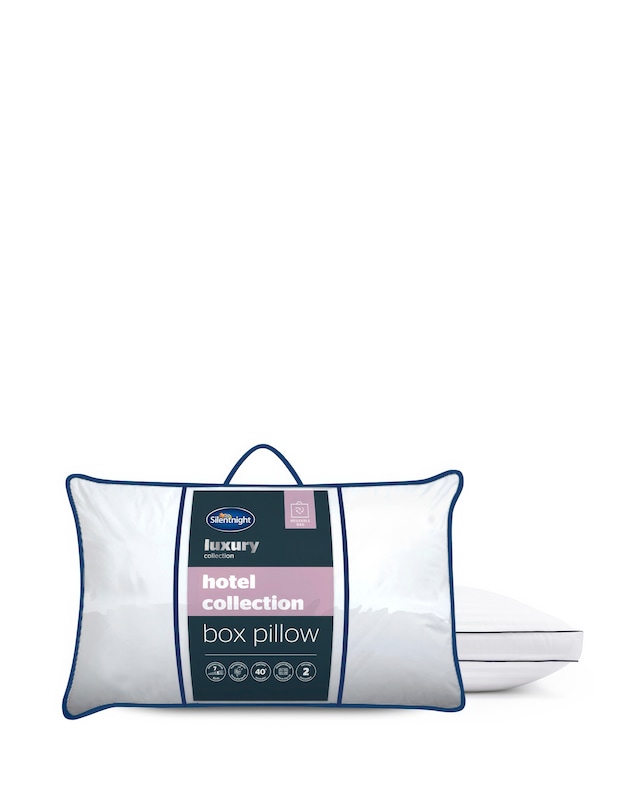
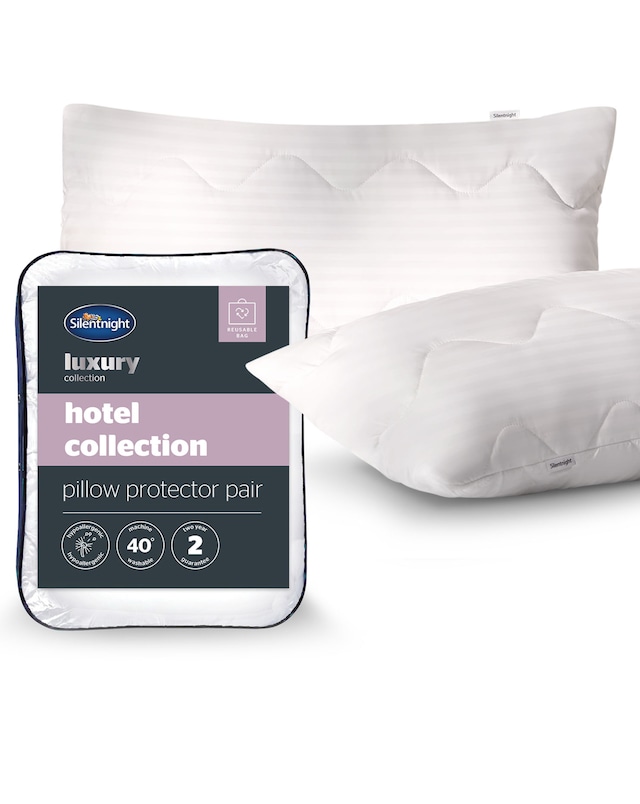
Transform your sleep environment with our extensive range of anti-allergy bedding, designed to provide comfort while protecting against allergens. Our collection features mattress protectors, pillow protectors, and duvets that are crafted with hypoallergenic materials to help reduce the presence of dust mites, mould, and other irritants. Ideal for allergy sufferers, these products ensure a restful night's sleep without compromising on quality or comfort. With a variety of tog ratings and styles available, you can find the perfect bedding solutions to suit your needs and create a healthier sleeping space.
What is anti-allergy bedding?
- Anti-allergy bedding is specially designed to reduce allergens such as dust mites, mould, and pet dander. It typically features hypoallergenic materials that create a barrier against these irritants. This type of bedding is ideal for individuals with allergies or asthma.
How does anti-allergy bedding work?
- Anti-allergy bedding works by using materials that are resistant to allergens and often treated with special finishes to inhibit the growth of dust mites and bacteria. These protective layers help to create a cleaner sleep environment. Regular washing and maintenance further enhance their effectiveness.
Is anti-allergy bedding safe for children?
- Yes, anti-allergy bedding is generally safe for children, especially those who suffer from allergies or asthma. It provides a protective barrier that can help reduce exposure to allergens. Always ensure that the materials used are suitable for your child's age and sensitivities.
How often should you replace anti-allergy bedding?
- It is recommended to replace anti-allergy bedding every 2-3 years, depending on usage and care. Regular washing can extend the life of the products, but over time, the effectiveness may diminish. Keeping an eye on wear and tear is also important for maintaining a healthy sleep environment.
Can anti-allergy bedding help with asthma?
- Yes, anti-allergy bedding can help alleviate asthma symptoms by reducing exposure to common allergens that trigger attacks. By creating a cleaner sleep environment, it can contribute to better overall respiratory health. However, it should be part of a comprehensive approach to managing asthma.